So, what’s Break O’Day all about? If you’re looking for a quieter, more authentic Tasmanian experience, away from the typical tourist crowds, Break O’Day is definitely worth considering. It’s a region on the Northeast coast of Tasmania, known for its incredible coastline, accessible wilderness, and a relaxed pace of life. Think stunning beaches, national parks, and a community feel, rather than big resorts or bustling cities. It’s a place where you can genuinely unwind and connect with nature, without feeling like you’re on a production line of sightseeing.
Before you dive in, it’s helpful to understand the lay of the land. Break O’Day is essentially the local government area that covers a significant portion of Tasmania’s northeastern coast. Its main towns include St Helens, which is the largest and often considered the gateway to the region, along with smaller, charming communities like Binalong Bay, Scamander, and Derby.
St Helens: The Hub
St Helens serves as the commercial and administrative heart of Break O’Day. It’s where you’ll find essential services like supermarkets, petrol stations, and an information centre. It’s also a major fishing port, and you’ll see plenty of boats in the harbour. Don’t expect a bustling metropolis; it’s a town of about 2,000 residents, but it offers just enough to make your stay comfortable. You can grab a coffee, pick up supplies, and use it as a base for exploring the surrounding areas.
Binalong Bay: Coastal Charm
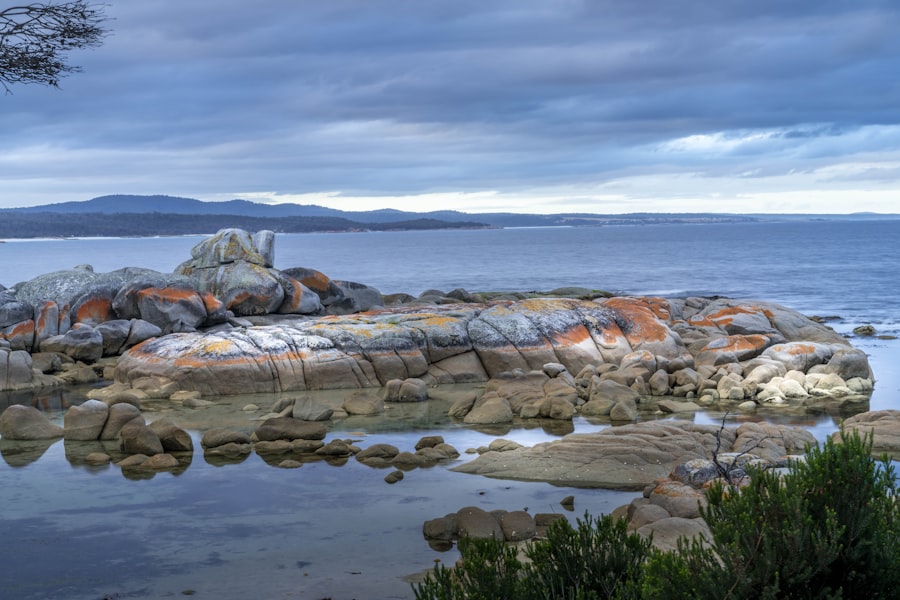
Just a short drive from St Helens is Binalong Bay, often considered the southern end point of the Bay of Fires. This small settlement is famous for its stunning white sand beach and the iconic orange-lichen-covered rocks that give the Bay of Fires its name. It’s a sleepy little place, perfect for a quiet beach holiday, walks, and photography. There are a few holiday rentals here, but don’t expect much in terms of shops or restaurants – it’s all about the natural beauty.
Unpacking the Natural Appeal
The draw of Break O’Day largely boils down to its natural environment. It’s a region that has largely escaped the more intensive development seen in some other parts of Tasmania, retaining much of its wild and untouched character.
The Bay of Fires: More Than a Postcard
When people talk about the Bay of Fires, they’re often picturing a specific stretch of coastline near Binalong Bay. In reality, the Bay of Fires extends for about 50 kilometres, from Binalong Bay in the south to Eddystone Point in the north. It’s a truly magnificent coastline characterized by brilliant white sand, crystal-clear turquoise waters, and those striking orange rocks.
The Iconic Orange Rocks
The vibrant orange colour on the granite boulders isn’t paint; it’s caused by lichen, a symbiotic organism of fungi and algae. This lichen thrives in the coastal air, creating a striking contrast with the white sand and blue water. It’s this unique combination that makes the Bay of Fires so visually distinct and a favourite for photographers.
Activities Along the Bay
Beyond simply admiring the view, there’s quite a bit to do. You can swim, snorkel, or just relax on the beaches. There are also several walking tracks, ranging from short strolls to multi-day hikes. The Bay of Fires Lodge Walk is a popular guided experience for those seeking a more organized approach. For independent explorers, many of the smaller coves and beaches are accessible via short detours from the main road. Fishing is also popular from the shore or by boat.
National Parks and Reserves
Break O’Day is home to several important protected areas, highlighting its commitment to preserving its natural heritage. These parks offer diverse experiences, from coastal walks to inland forest exploration.
Mt William National Park
Located at the northern end of the Bay of Fires, Mt William National Park is a significant area for indigenous Tasmanian culture and wildlife. It’s home to a variety of native animals, including Forester kangaroos, wallabies, and wombats. The park offers some fantastic coastal walking tracks and opportunities for birdwatching. It’s a place where you can feel a real sense of isolation and wilderness. Access can be a bit more rugged on some unsealed roads, so be prepared for that.
Douglas-Apsley National Park
Heading inland from the coast, Douglas-Apsley National Park offers a different kind of wilderness experience. This park is characterized by its dramatic gorges, temperate rainforest, and cascading waterfalls. It’s a great spot for bushwalking, with trails leading to waterholes perfect for a refreshing dip on a warm day. The Apsley Waterhole and Gorge Walk is a popular choice, offering stunning views and a chance to see some unique flora and fauna. It’s a good contrast to the coastal environment and showcases Tasmania’s diverse landscapes.
Embracing Adventure and Activity
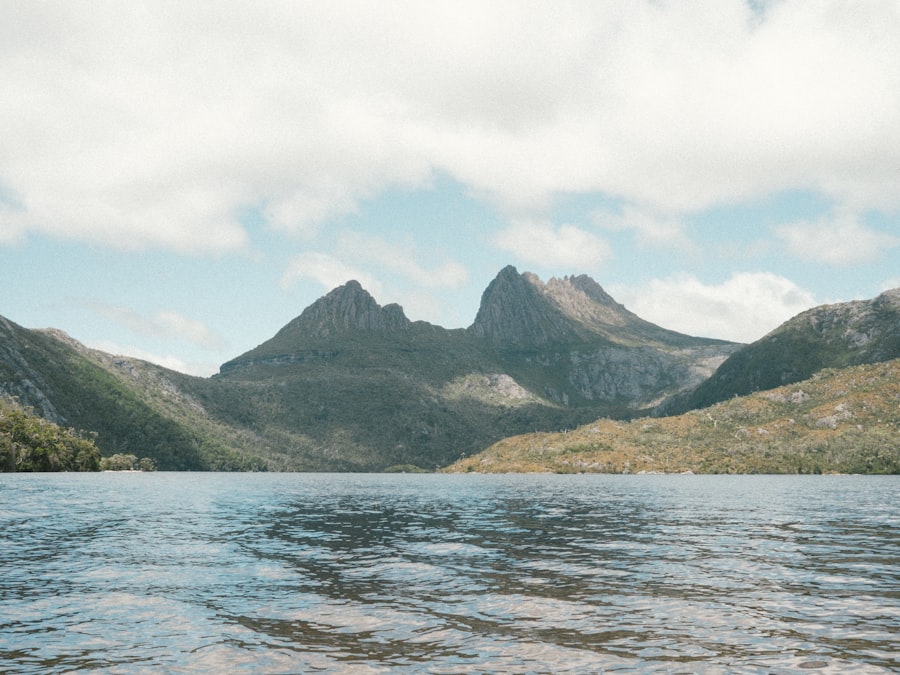
Break O’Day isn’t just for quiet contemplation; it offers a range of activities for those who enjoy a bit of adventure, particularly in the outdoor realm.
World-Class Mountain Biking
Derby, a small town within the Break O’Day region, has become an international mountain biking destination. The Blue Derby Mountain Bike Trails are renowned for their quality and diversity, attracting riders from all over the world.
The Blue Derby Trails
The trails cater to all skill levels, from beginners to expert riders, with a wide network of purpose-built single tracks winding through temperate rainforest. This has completely transformed Derby, bringing new life and businesses to the town. You’ll find bike shops, cafes, and accommodation specifically geared towards mountain bikers. It’s a testament to how a well-executed outdoor tourism initiative can rejuvenate a regional community. Even if you’re not a keen rider, the atmosphere in Derby is infectious, and it’s interesting to see how the town has adapted.
Fishing: A Core Local Activity
Given its coastal location and numerous rivers, fishing is a deeply ingrained part of life in Break O’Day. It’s not just a tourist activity; it’s a significant local industry and a popular pastime.
Deep Sea and Estuary Fishing
St Helens is often dubbed the “Game Fishing Capital of Tasmania,” and for good reason. The waters off the coast are rich with various species, including tuna, marlin, and kingfish. There are several charter operators in St Helens offering deep-sea fishing trips. For those who prefer calmer waters, estuary fishing in the Georges Bay (St Helens) or Ansons Bay offers opportunities to catch flathead, bream, and Atlantic salmon. You can often see locals fishing from jetties or small boats in the calmer inlets.
Surfing and Water Sports
The coastline of Break O’Day offers some decent surfing spots, particularly around Scamander and nearby beaches, when the conditions are right. While not as famous as some other Australian surf destinations, it provides consistent waves for those in the know. Beyond surfing, the calm bays are ideal for kayaking, paddleboarding, and swimming, especially during the warmer months.
Delving into Local Culture and History
While natural beauty is the primary draw, Break O’Day also has a local culture and history worth exploring, offering insights into Tasmania’s past and its community spirit.
Mining History: From Tin to Trails
Before mountain biking put Derby on the map, the town was a bustling tin mining centre. The legacy of this era can still be seen in remnants of old mining infrastructure and historical displays. The process of transforming a derelict mining landscape into a world-class trail network is quite an achievement and reflects a forward-thinking approach to regional development.
The Derby Tunnels
A testament to its mining past, the Derby Tunnels are part of the old Briseis Tin Mine. While not a major tourist attraction, they offer a glimpse into the tough conditions faced by miners. Some sections are accessible, and interpreting the history helps understand the town’s origins.
Aboriginal Heritage
The entire Break O’Day region holds immense significance for Tasmania’s Aboriginal people, particularly the Palawa (Tasmanian Aboriginal) community. The Bay of Fires, known as Larapuna in the local Aboriginal language, has been a central place for thousands of years.
Connecting with Indigenous Culture
While formal indigenous cultural centres might be limited in the immediate area, efforts are being made to share and preserve this rich heritage. Looking out for interpretive signage and respecting the land’s spiritual significance is important. The local Aboriginal land councils are working to ensure their history and presence are acknowledged and celebrated.
Community Spirit and Local Produce
Break O’Day has a strong sense of community. You’ll find local markets, small artisan shops, and friendly faces. Supporting local businesses is easy here, and you’ll often find fresh produce, seafood, and homemade goods. It’s this community feel that contributes to the relaxed and welcoming atmosphere of the region.
Farm Gate Sales
Keep an eye out for roadside stalls offering fresh produce direct from local farms. Depending on the season, you might find berries, apples, or other seasonal delights. It’s a simple pleasure but a practical way to enjoy the region’s bounty.
Practicalities and Planning Your Trip
To make the most of your time in Break O’Day, a little practical planning goes a long way. This isn’t a region with endless options, but it offers quality experiences.
Accommodation Options
Accommodation in Break O’Day tends to be more low-key than in major tourist hubs. You’ll find a range of options, from holiday rentals (shacks and houses in Binalong Bay and Scamander are popular) to caravan parks and a few motels and guesthouses in St Helens. Derby also has specific accommodation catering to mountain bikers.
Booking Ahead
Especially during peak seasons (summer and school holidays), booking accommodation in advance is advisable, as options can be limited. Don’t expect huge chain hotels; it’s mostly independently run establishments.
Getting Around
A car is pretty much essential for exploring Break O’Day. Public transport is very limited, and many of the beautiful spots are off the main highways. Roads are generally well-maintained, though you might encounter some well-graded unsealed roads, particularly if you’re venturing into national parks or off the beaten track.
Eating and Drinking
St Helens offers the most diverse dining options, with a focus on fresh seafood. You’ll find fish and chip shops, cafes, and a few restaurants. Smaller towns like Binalong Bay and Scamander might have one or two cafes or general stores. If you’re self-catering, stock up on groceries in St Helens, as options elsewhere are minimal. Don’t expect a buzzing nightlife; evenings are generally quiet and focused on relaxation.
Best Time to Visit
The warmer months (December to February) are popular for beach activities and water sports, but also the busiest. Spring (September to November) and Autumn (March to May) often offer pleasant weather, fewer crowds, and are excellent for walking and mountain biking. Winter (June to August) can be chilly and wet, but the landscapes can be dramatic, and it’s a great time for quiet contemplation or cosy indoor activities.
Connectivity
Mobile phone service can be patchy in some of the more remote areas, particularly in national parks or along less-travelled coastal stretches. Wi-Fi is generally available in accommodation and some cafes in St Helens, but don’t count on being constantly connected everywhere you go. This can be seen as a positive – a chance to truly disconnect.
Is Break O’Day for You?
Break O’Day is not for everyone. If you’re after glitzy resorts, non-stop nightlife, or a packed itinerary of major attractions, you might find it too quiet. However, if you appreciate stunning natural beauty, a slower pace of life, outdoor activities like hiking and biking, and the chance to genuinely switch off and explore a less commercialized part of Tasmania, then Break O’Day could be exactly what you’re looking for. It’s a place where the landscape speaks for itself, and the experiences are often about personal connection with a truly spectacular environment.
FAQs
What is Break O’Day, Tasmania?
Break O’Day is a local government area in the northeast of Tasmania, Australia. It covers an area of approximately 4,540 square kilometers and includes the towns of St Helens, St Marys, and Scamander.
What are the main attractions in Break O’Day, Tasmania?
Break O’Day is known for its stunning natural beauty, including the Bay of Fires, a stretch of coastline with white sandy beaches and crystal-clear waters. The area also offers opportunities for outdoor activities such as hiking, fishing, and birdwatching.
What is the climate like in Break O’Day, Tasmania?
Break O’Day experiences a temperate maritime climate, with mild summers and cool winters. The area receives a moderate amount of rainfall throughout the year, making it lush and green.
What are the accommodation options in Break O’Day, Tasmania?
Visitors to Break O’Day can choose from a range of accommodation options, including hotels, motels, holiday parks, and self-contained cottages. There are also camping grounds and caravan parks for those who prefer a more outdoor experience.
How do I get to Break O’Day, Tasmania?
Break O’Day is accessible by road from Hobart, Launceston, and other major towns in Tasmania. The area is approximately a 2.5-hour drive from Launceston and a 3.5-hour drive from Hobart. There are also regional airports in St Helens and Scamander for those traveling by air.