Tasmania’s Central Highlands, often dubbed a nature lover’s paradise, truly lives up to its name. If you’re looking for a place where rugged landscapes, ancient forests, and pristine waterways meet, without the usual tourist fanfare, this is it. Think less souvenir shops, more genuine wilderness experience. It’s a region defined by its high-altitude lakes, vast moorlands, and a sense of splendid isolation that’s increasingly rare.
The Central Highlands is pretty large, covering a significant chunk of Tasmania’s interior. Primarily, it’s characterized by its high elevation, ranging from around 700 to over 1,600 metres above sea level. This altitude dictates much of its climate and ecosystems.
Glacial Legacy
A huge part of what makes the Central Highlands look the way it does is its glacial history. Think back a long, long time ago, when ice carved out valleys and left behind countless depressions. These depressions filled with water, creating the thousands of lakes, tarns, and lagoons that dot the landscape now. It’s not just a pretty sight; these features directly influence the local hydrology and create unique habitats.
Alpine and Sub-Alpine Zones
You’ll quickly notice changes in the vegetation as you gain elevation. The lower parts feature more open eucalypt forests. As you climb higher, these give way to sub-alpine woodlands with species like deciduous beech (Nothofagus gunnii), which puts on a spectacular display of golden hues in autumn. Further up still, you hit true alpine zones, marked by cushion plants, heathlands, and hardy shrubs that can withstand the harsh conditions.
Wildlife Encounters (Realistic Expectations)
While the idea of spotting unique Tasmanian wildlife is exciting, it’s important to set realistic expectations. This isn’t a zoo. Encounters are usually more subtle, but rewarding when they happen.
Mammals
You’re likely to see pademelons and wallabies, especially around dawn and dusk. Keep an eye out for wombats, too – their burrows are a common sight. For the more elusive species like Tasmania devils or quolls, consider overnight stays or guided tours that focus on spotlighting. Seeing a platypus in one of the quiet tarns or streams is a truly special experience, requiring patience and a keen eye.
Birdlife
Birdwatchers will find plenty to keep them occupied. The area supports a good range of endemic Tasmanian birds, such as the crescent honeyeater, yellow-throated honeyeater, and various rosellas. Keep an ear out for their calls. Waterfowl are abundant on the lakes.
Insect Life
Don’t forget the smaller inhabitants. The clear air and diverse plant life support a wide array of insects, including some unique species found only in Tasmania. While they might not be as charismatic as a platypus, they play a crucial role in the ecosystem.
Activities for the Adventurous and the Serene
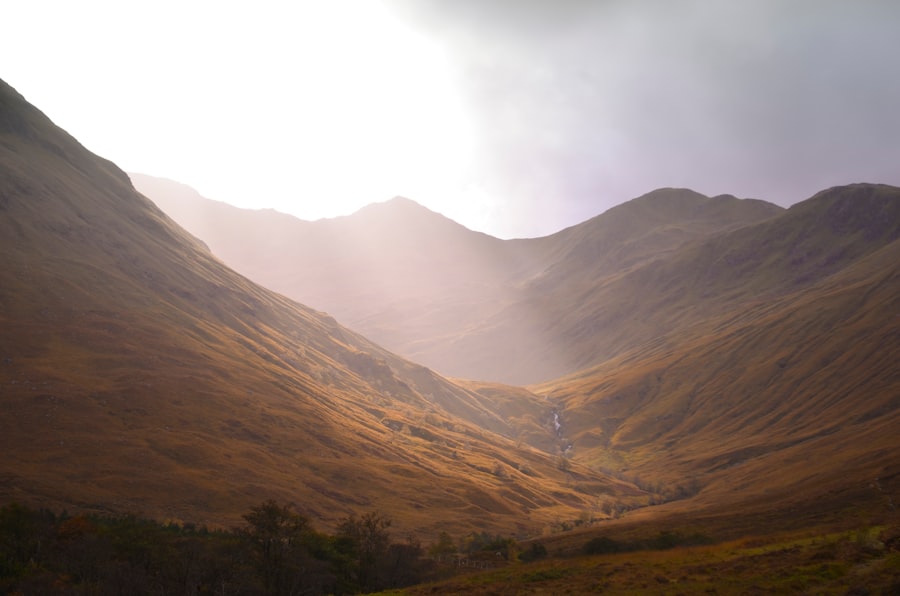
The Central Highlands offers a range of activities, from challenging hikes to peaceful fishing trips. It’s definitely not a place for those seeking bustling towns or elaborate entertainment.
Bushwalking and Hiking
This is probably the primary activity here. There are walks for all fitness levels, but many of the more rewarding trails require a good level of preparedness.
Day Walks
You can choose from shorter, easier loops around popular spots like the Walls of Jerusalem National Park entrance or some of the smaller lakes. These can range from an hour or two to half a day. Take plenty of water and layers of clothing, as the weather can change rapidly.
Multi-Day Treks
For the serious hiker, multi-day treks into areas like the Walls of Jerusalem or parts of the Tasmanian Wilderness World Heritage Area are a major draw. These require planning, navigation skills, and appropriate gear for remote, exposed conditions. Remember to register your intentions with Parks and Wildlife before heading out on multi-day walks.
Fishing
The Central Highlands is renowned for its trout fishing. The myriad lakes and rivers are home to brown and rainbow trout, making it a popular destination for anglers.
Lake Fishing
Many of the larger lakes like Great Lake and Arthurs Lake are popular spots for boat fishing. Shore fishing is also an option, particularly in the quieter tarns.
Fly Fishing
The pristine rivers and streams are a fly fisher’s dream. The clear waters and abundant insect life offer challenging but rewarding opportunities. Make sure you have the necessary licenses, which can be purchased online or at local outlets.
Photography
With its dramatic landscapes, unique flora, and stunning light, the Central Highlands is a photographer’s paradise.
Landscape Photography
Opportunities abound for capturing expansive vistas, reflective lakes, and rugged mountain profiles. The changing seasons offer different palettes, from the autum foliage of the fagus to the stark beauty of a winter landscape.
Wildlife Photography
Patience is key for wildlife photography here. Early mornings and late evenings often provide the best light and opportunities to spot animals. A telephoto lens will be a great asset.
Kayaking and Canoeing
For those who prefer to explore the waterways, kayaking or canoeing on the calmer lakes and tarns offers a unique perspective. It’s an incredibly peaceful way to experience the scenery, gliding silently across the water. Always check weather conditions before heading out, as strong winds can make paddling challenging.
Planning Your Trip
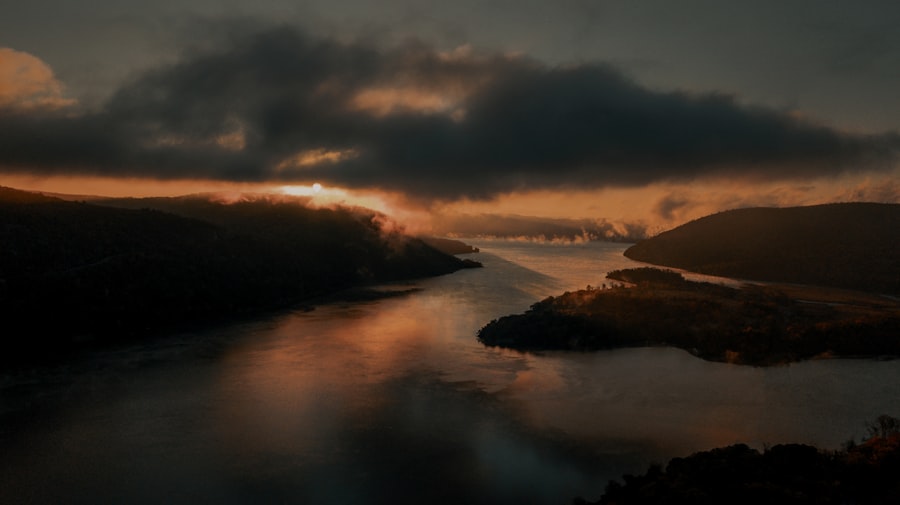
A trip to the Central Highlands requires a bit more planning than your average vacation. It’s a remote area, and services are limited.
Best Time to Visit
The shoulder seasons (spring and autumn) often offer the most pleasant weather for hiking, with fewer crowds. Autumn, specifically late April to early May, is when the deciduous beech (fagus) turns golden, creating a spectacular display. Summer (December to February) is popular for fishing and longer walks, but can also be windy with unpredictable weather. Winter (June to August) is cold, with snow common, making access to some areas difficult but offering a unique, stark beauty for well-prepared adventurers.
Accommodation Options
Don’t expect luxury resorts. Accommodation here tends to be functional and geared towards outdoor enthusiasts.
Remote Cabins and Huts
Several remote cabins and huts are scattered throughout the park systems. These often require bookings well in advance and are basic, but provide essential shelter.
Self-Contained Rentals
Around the edges of the region, and in smaller settlements like Miena, you can find self-contained cottages or shacks, often catering to fishing groups. These usually offer more amenities.
Camping
Camping is a popular option, ranging from designated campgrounds with basic facilities to remote, wilderness camping (requiring a permit and strict adherence to Leave No Trace principles). Always check park regulations regarding camping and campfires.
Food and Supplies
Stock up before you go. Major towns like Launceston or Hobart are your best bet for groceries and fuel. There are very limited options once you’re deep in the Highlands. Even small general stores might have reduced hours or limited stock, especially in the quieter seasons. Carrying adequate water supplies or purification methods is essential, especially for longer excursions.
Getting Around
A reliable vehicle, preferably a 4WD if you plan on exploring some of the more remote tracks, is highly recommended. Many of the unsealed roads can be rough. Public transport is virtually non-existent, so you’ll need your own wheels. Navigation can be tricky; while mapping apps are helpful, always carry physical maps and a compass, and know how to use them. Phone reception is patchy at best, and non-existent in many areas.
Respecting the Environment and Culture
The Central Highlands is a vast wilderness, and its preservation relies heavily on visitors acting responsibly.
Leave No Trace Principles
Adhere strictly to Leave No Trace principles. Carry out everything you carry in, including all rubbish. Stay on marked trails to minimise erosion. Respect wildlife by keeping a distance and not feeding them.
Fire Safety
Bushfires are a serious threat, especially in drier months. Always check fire restrictions before lighting any fires. If fires are permitted, use designated fire pits and ensure they are completely extinguished before leaving. Better yet, use a portable gas stove for cooking.
Indigenous Heritage
The Central Highlands is part of the traditional lands of Tasmanian Aboriginal people. Respect this deep connection to the land. While specific active sites may not be widely publicised to protect them, acknowledge the cultural significance of the landscape around you.
Weather Preparedness
The weather in the Central Highlands is notoriously unpredictable. Sunny skies can turn to blizzards in a matter of hours, even in summer. Always pack layers of warm, waterproof, and windproof clothing. Inform someone of your plans, especially for remote or multi-day excursions. A personal locator beacon (PLB) is a wise investment for more remote trips.
The Central Highlands offers a unique and profound wilderness experience. It’s a place where the grandeur of nature is truly upfront, demanding respect and rewarding those who seek it with unparalleled beauty and a sense of genuine escape. Come prepared, be mindful, and you’ll find it’s a place that stays with you long after you’ve left.
FAQs
What is the Central Highlands Tasmania known for?
The Central Highlands Tasmania is known for its stunning natural landscapes, including rugged mountains, pristine lakes, and dense forests. It is also home to a diverse range of flora and fauna, making it a popular destination for nature lovers and outdoor enthusiasts.
What are some popular activities in the Central Highlands Tasmania?
Popular activities in the Central Highlands Tasmania include hiking, fishing, birdwatching, and wildlife spotting. The area is also known for its excellent opportunities for photography, with its picturesque scenery providing ample inspiration for nature and landscape photographers.
What is the weather like in the Central Highlands Tasmania?
The weather in the Central Highlands Tasmania can be quite variable, with cool temperatures and frequent rainfall. Summers are generally mild, while winters can be cold and snowy, particularly at higher elevations. It is important for visitors to be prepared for changing weather conditions when exploring the area.
Are there any notable landmarks or attractions in the Central Highlands Tasmania?
Some notable landmarks and attractions in the Central Highlands Tasmania include the iconic Cradle Mountain, Lake St Clair, and the Walls of Jerusalem National Park. These natural wonders offer visitors the chance to experience the region’s unique beauty and wilderness.
What are some important conservation efforts in the Central Highlands Tasmania?
Conservation efforts in the Central Highlands Tasmania focus on protecting the area’s natural environment and biodiversity. This includes initiatives to preserve native flora and fauna, manage invasive species, and promote sustainable tourism practices to minimize the impact on the delicate ecosystems of the region.