Tasmania’s Circular Head region, nestled in the island’s northwest, often gets overlooked in favor of its more famous counterparts. But for those willing to venture a little further, it offers a distinct blend of rugged natural beauty, rich history, and a down-to-earth local charm. It’s a place where the air smells fresher, the pace slows down, and genuine discoveries await, making it a compelling destination for a more authentic Tasmanian experience.
Before you dive in, it helps to understand a bit about where you’re headed. Circular Head isn’t just one town; it’s a municipal area encompassing several communities, each with its own character. Think of it as a collection of unique places rather than a singular destination.
Smithton: The Regional Hub
Smithton effectively serves as the commercial heart of the Circular Head region. It’s where you’ll find most of the essential services – supermarkets, petrol stations, and accommodation options. While not a tourist attraction in itself, it’s a practical base for exploring the surrounding areas. You can stock up on supplies here before heading out to more remote spots.
Stanley: Historic Charm by the Nut
Arguably the most iconic spot in Circular Head, Stanley is a picturesque fishing village dominated by ‘The Nut,’ a massive, volcanic plug. Its perfectly preserved colonial buildings, stone cottages, and working port give it a timeless feel. Stanley is where much of the region’s tourist infrastructure is concentrated.
Marrawah and the West Coast
Heading west from Smithton brings you to Marrawah, a small settlement renowned for its wild, untamed coastline. This area is a stark contrast to the gentle rolling hills further inland, offering dramatic cliffs, powerful surf, and a sense of raw nature.
Experiencing The Nut
No visit to Circular Head is complete without engaging with The Nut. This geological marvel isn’t just a backdrop; it’s an experience in itself.
Walking The Nut: A Rewarding Climb
For those up for a physical challenge, walking to the summit of The Nut is a fantastic way to take in panoramic views. The path is steep in places but well-maintained, zig-zagging its way up. It’s not an overly long climb, perhaps 20-30 minutes for a reasonably fit person, but it definitely gets the heart rate going. The reward? Sweeping vistas of Stanley, the surrounding coastline, and the often-turbulent Bass Strait. It’s a great spot for photography, especially on a clear day. Remember to wear comfortable shoes and bring some water.
The Nut Chairlift: An Accessible Alternative
If the climb sounds a bit much, or if you’re traveling with small children or those with mobility issues, the chairlift offers an effortless way to reach the summit. It’s a pleasant ride with views unfolding as you ascend. Once at the top, there’s a relatively flat circuit walk around the plateau which provides various viewpoints. This ensures everyone can enjoy the unique perspective from The Nut, regardless of physical ability. The chairlift usually operates daily, but it’s always a good idea to check their website or call ahead for current operating hours, especially outside of peak season or in variable weather conditions.
History and Heritage
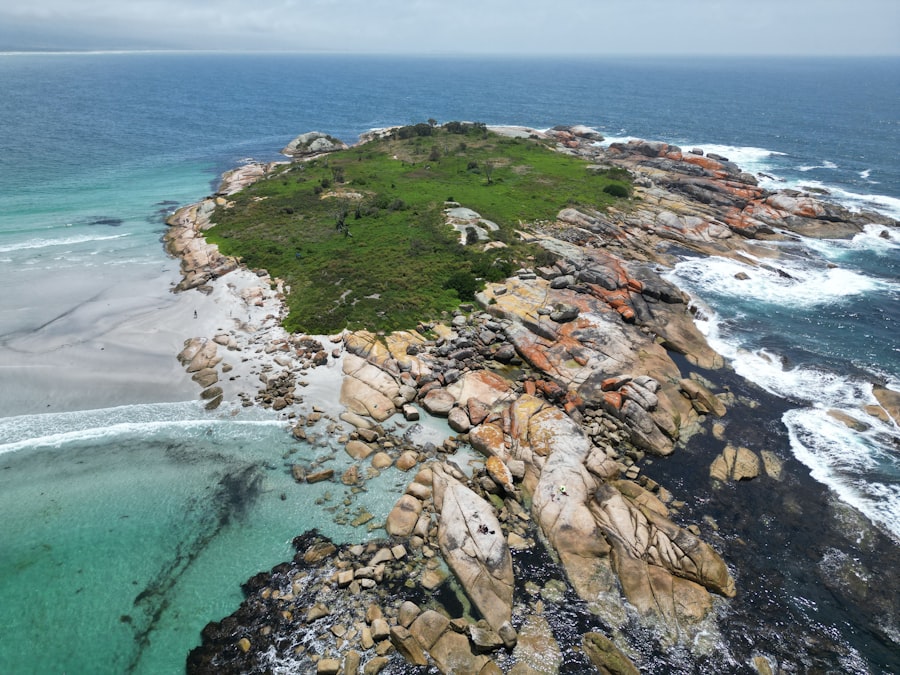
Circular Head boasts a rich history, particularly linked to early European settlement and agricultural development. Traces of this past are visible throughout the region, offering insights into its formative years.
Stanley’s Colonial Buildings
Stanley is a treasure trove of colonial architecture. Stroll through the streets and you’ll notice beautifully preserved Georgian and Victorian buildings. Many of these date back to the 1840s when the Van Diemen’s Land Company established its headquarters here. This company played a significant role in developing the region’s agricultural landscape. Take a look at Highfield Historic Site, a grand homestead that offers a glimpse into the lives of early settlers and the challenges they faced. It’s a thoughtfully restored property with gardens and outbuildings that tell a compelling story. It’s worth allocating a couple of hours here to properly explore and absorb the atmosphere.
Green’s Beach Shell Midden
While much of the visible history focuses on European settlement, it’s important to acknowledge thousands of years of Aboriginal presence. The Green’s Beach Shell Midden, near Woolnorth, provides a tangible link to the rich cultural heritage of the Palawa people. These middens are archaeological sites formed from discarded shells and other materials, offering insights into their diet and lifestyle. While perhaps less overtly dramatic than a colonial mansion, their significance is profound. Visitors should be respectful and understand that these are protected sites. Information panels usually provide context and explain their importance. It’s a subtle but powerful reminder of the deep history of this land.
Natural Wonders and Wildlife
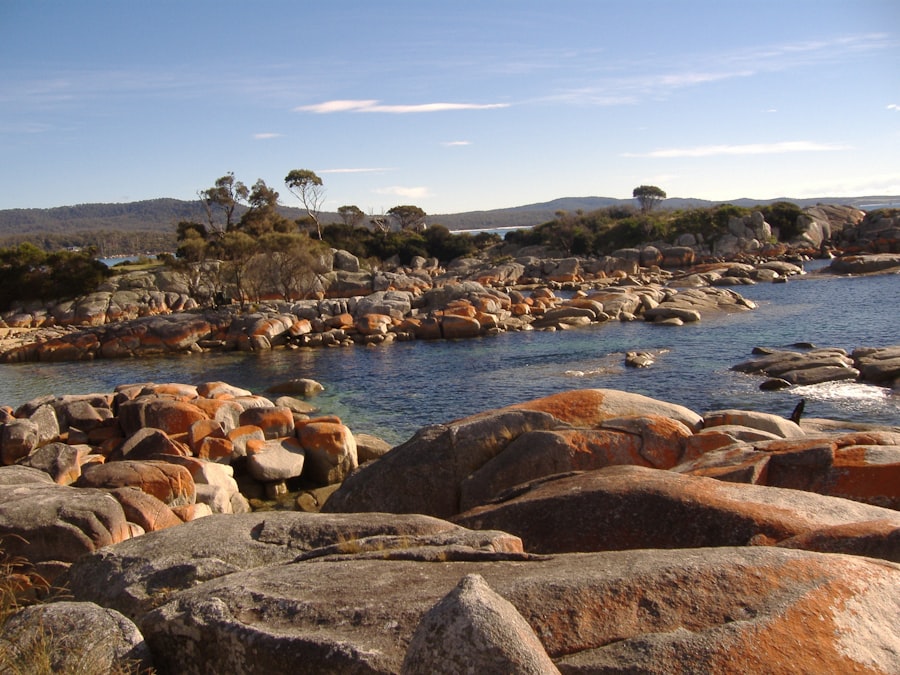
Beyond the settled areas, Circular Head’s natural environment offers a rugged beauty and a chance to encounter a variety of wildlife. Much of it is untouched and provides a genuine connection to Tasmania’s wild side.
Tarkine Drive: Gateway to the Wilderness
The Tarkine Drive is a self-guided touring route that takes you through a significant portion of the Tarkine (takayna) wilderness. This region holds the largest remaining segment of Gondwanan cool-temperate rainforest in Australia, making it ecologically important. The drive is roughly 60-100km depending on your detours and can take a good half to full day to explore properly. You’ll pass through ancient forests, alongside wild rivers, and reach remote coastal stretches.
There are numerous short walks along the Tarkine Drive, suitable for various fitness levels. Pay attention to signage for specific points of interest. Some popular stops include the Trowutta Arch, a striking geological formation, and the short loop walks through stunning rainforest sections at places like the Julius River or Lake Chisholm. The road is mostly gravel in parts, so a sturdy vehicle is recommended, and always check conditions, especially after heavy rain. Ensure you have a full tank of fuel as services are extremely limited.
Edge of the World, Arthur River
The aptly named ‘Edge of the World’ at Arthur River truly feels like the geographical limit of Tasmania’s west. It’s where the roaring swells of the Southern Ocean meet the land after travelling uninterrupted for thousands of kilometres. The wind is often fierce, the sea is powerful, and the landscape is starkly beautiful. There’s a lookout point and a poignant plaque describing the ancient air that blows here.
Close by, you can often spot large numbers of Tasmanian devils, quolls, and wombats during dusk and dawn if you’re lucky and observant – remember to always respect wildlife from a distance and avoid feeding them. The Arthur River itself offers boat cruises which provide another perspective, gliding through tranquil sections of the river system, often revealing rainforest meeting the water’s edge and a variety of birdlife. It’s a powerful and somewhat humbling experience to stand at the Edge of the World, feeling the raw power of nature.
Little Penguin Colonies
While perhaps not as famous as the colonies at Phillip Island, Circular Head is home to several little penguin colonies. The best time to see them is at dusk when they return ashore after a day of fishing. Stanley offers accessible viewing platforms, particularly near Godfreys Beach. It’s important to remember that these are wild animals, and respectful viewing is paramount. Maintain distance, avoid sudden movements, and never use flash photography, as it can disorient them. Observing these birds waddling ashore is a charming and memorable experience. Local information centers can often provide guidance on the best viewing spots and times.
Culinary and Local Produce
Circular Head’s economy is largely driven by agriculture and fishing, so it’s no surprise that the region offers plenty of opportunities to taste fresh, local produce. This isn’t fine dining; it’s about authentic, fresh ingredients straight from the source.
Fresh Seafood from Stanley
Given its working fishing port, Stanley is the place for fresh seafood. You’ll find local outlets selling everything from crayfish (rock lobster), scallops, flathead, and often locally caught abalone. Many of the casual eateries in Stanley will feature these on their menus, often simply prepared to let the quality of the produce shine through. Take a walk down to the wharf area, and you might even see the day’s catch being unloaded. If you’re self-catering, picking up some fresh fish to cook yourself is a rewarding experience.
Local Beef and Dairy Products
Circular Head is renowned for its fertile agricultural land, particularly for beef and dairy. The pristine pastures contribute to high-quality produce. You can often find local meats at butcher shops in Smithton. For dairy, look out for local cheese producers or specialist outlets that showcase Tasmanian dairy products. While a factory tour might not always be available, the quality of the regional produce speaks for itself. Many cafes and restaurants in the area pride themselves on using locally sourced ingredients, so keep an eye out for mentions on their menus.
Farm Gate Stalls and Markets
Keep an eye out for roadside farm gate stalls, especially during autumn or spring. These can offer seasonal produce like berries, apples, or vegetables, often on an honesty system. While not as prevalent as in some other regions, they are a charming way to connect directly with local growers. Smithton also hosts local markets periodically, usually featuring a small selection of local crafts, produce, and baked goods. These markets are less about mass tourism and more about community, offering a genuine glimpse into local life.
Practical Considerations for Your Trip
To make the most of your visit, a bit of practical planning goes a long way. This region is about getting away from it all, but that also means thinking ahead.
Getting There and Getting Around
Circular Head is best explored with your own vehicle. Public transport options are very limited. If flying into Tasmania, you’ll likely arrive at Launceston (about a 3-hour drive) or Hobart (about a 5-hour drive). Devonport, with its Spirit of Tasmania ferry terminal, is approximately a 1.5-hour drive away, making it the most convenient entry point if you’re bringing a car. The roads are generally well-maintained, but some of the more scenic routes (like parts of the Tarkine Drive) include unsealed sections. Always drive carefully and be mindful of wildlife, particularly at dusk and dawn.
Accommodation Options
Accommodation in Circular Head ranges from hotels and motels in Smithton to charming cottages and guesthouses in Stanley. There are also caravan parks and camping grounds if you prefer a more outdoorsy experience. During peak season (summer holidays), it’s advisable to book well in advance, especially for popular spots like Stanley. In the shoulder seasons, you might find more flexibility and potentially better rates. For those seeking solitude, there are also some unique farm stays or secluded cabins scattered throughout the region.
When to Visit
Each season offers a different experience. Summer (December-February) is popular, with warmer weather perfect for coastal activities, but also attracts more visitors. Autumn (March-May) brings pleasant temperatures, beautiful foliage, and fewer crowds. Winter (June-August) can be cold and wet, but also offers dramatic coastlines, roaring fireplaces, and a real sense of wild Tasmania – and fewer human footprints. Spring (September-November) sees the landscape burst back into life and wildlife activity increases. Consider your priorities: sunshine and crowds, or solitude and moody skies.
Limited Services in Remote Areas
It’s important to remember that outside of Smithton and Stanley, services can be very limited. This applies to fuel, food, and mobile phone reception. Always fill up your tank when you have the opportunity, carry extra water and snacks, and inform someone of your travel plans if you’re venturing into more remote wilderness areas. Many parts of the Tarkine Drive, for instance, will have no mobile signal. Be prepared and enjoy the digital detox.
Circular Head, with its blend of rugged coastline, historical villages, and vast wilderness, offers a refreshingly unvarnished Tasmanian experience. It’s a place where you can actively engage with nature, delve into history, and enjoy quality local produce, all at a pace that encourages genuine discovery. It might not shout as loudly as some of Tasmania’s other destinations, but its authenticity speaks volumes.
FAQs
What is Circular Head Tasmania?
Circular Head is a local government area in the north-west of Tasmania, Australia. It is known for its stunning natural landscapes, including the Tarkine wilderness and the iconic Stanley Nut.
What are some popular attractions in Circular Head Tasmania?
Some popular attractions in Circular Head Tasmania include the historic town of Stanley, the Tarkine wilderness, the Stanley Nut, and the picturesque beaches along the coastline.
What outdoor activities can be enjoyed in Circular Head Tasmania?
Visitors to Circular Head Tasmania can enjoy a range of outdoor activities, including hiking in the Tarkine wilderness, fishing along the coastline, exploring the beaches, and taking scenic drives through the countryside.
What is the climate like in Circular Head Tasmania?
Circular Head Tasmania experiences a temperate maritime climate, with mild summers and cool winters. The area receives a moderate amount of rainfall throughout the year.
How can visitors get to Circular Head Tasmania?
Visitors can reach Circular Head Tasmania by car, with the area being approximately a 1.5-hour drive from Burnie and a 4-hour drive from Launceston. There are also coach and tour options available for those traveling without a car.