Flinders Island, off Tasmania’s northeast coast, offers a unique experience for those looking to genuinely disconnect. It isn’t a bustling tourist hotspot, nor does it bombard you with manufactured attractions. Instead, it presents rugged beauty, a slow pace of life, and opportunities for genuine exploration. Think wild beaches, granite mountains, abundant wildlife, and a sense of peaceful isolation. If you’re after a place where nature takes center stage and you can truly unwind, Flinders Island might just be what you’re looking for.
Reaching Flinders Island requires a bit more planning than mainland travel, but it’s part of the adventure. Once there, having your own transport is almost a necessity to properly explore.
Flights to Flinders
The most common way to get to Flinders Island is by air. Regular flights operate from Launceston (Tasmania) and Melbourne’s Essendon Airport. These flights are on smaller aircraft, offering scenic views as you approach. Booking in advance is advisable, especially during peak seasons. Passenger luggage limits can be stricter than on larger commercial flights, a detail to keep in mind when packing.
Ferry Services
While less frequent, a supply barge does travel to Flinders Island from Bridport in northern Tasmania. This option tends to be more for freight and locals transporting vehicles, but it’s worth investigating if you plan on bringing your own car and have a flexible schedule. It’s a much longer journey than flying.
Rental Cars on the Island
Once you arrive at Whitemark Airport, you’ll generally pick up your rental car. There are a few local operators, and booking well ahead of time is essential. Options range from standard sedans to 4WDs, which can be beneficial if you plan on exploring some of the less-maintained back roads or want to confidently tackle gravel tracks leading to more remote beaches. Fuel stations are limited, primarily in Whitemark and Lady Barron, so keep an eye on your tank.
Cycling and Walking
For the more active, cycling can be a way to experience parts of the island, though distances between towns and attractions can be substantial. The island’s undulating terrain and sometimes strong winds mean it’s not always an easy ride. Walking tracks are plentiful, ranging from short beach strolls to more challenging mountain hikes.
Accommodation Options
Accommodation on Flinders Island is varied, though not extensive. You won’t find large chain hotels here. Instead, expect a selection of local guesthouses, self-contained units, and a couple of unique stays.
Self-Contained Cottages and Houses
This is a popular choice for visitors to Flinders Island. Numerous private cottages, beach houses, and farm stays are available for rent, offering privacy and the convenience of your own kitchen facilities. Many are well-equipped with amenities and provide a comfortable base for your explorations. Locations vary from coastal retreats to inland properties with mountain views.
Guesthouses and B&Bs
For those preferring a catered breakfast or a more communal atmosphere, a few guesthouses and B&Bs operate on the island. These often provide insights into local life from your hosts and a chance to meet other travelers. Standards vary, from rustic charm to more modern comforts.
Camping and Caravan Parks
There are designated camping areas on Flinders Island, offering a budget-friendly way to stay close to nature. Services can be basic, with some sites offering little more than toilets and water. Booking ahead for powered sites, especially for caravans, is crucial during busier times. Permits may be required for some camping areas. Wild camping is generally not permitted.
Luxury Escapes
While not abundant, a couple of higher-end options exist for those seeking a more luxurious experience. These often include unique architectural designs, stunning views, and bespoke services, catering to a niche market. These properties tend to book out well in advance.
Exploring the Landscape
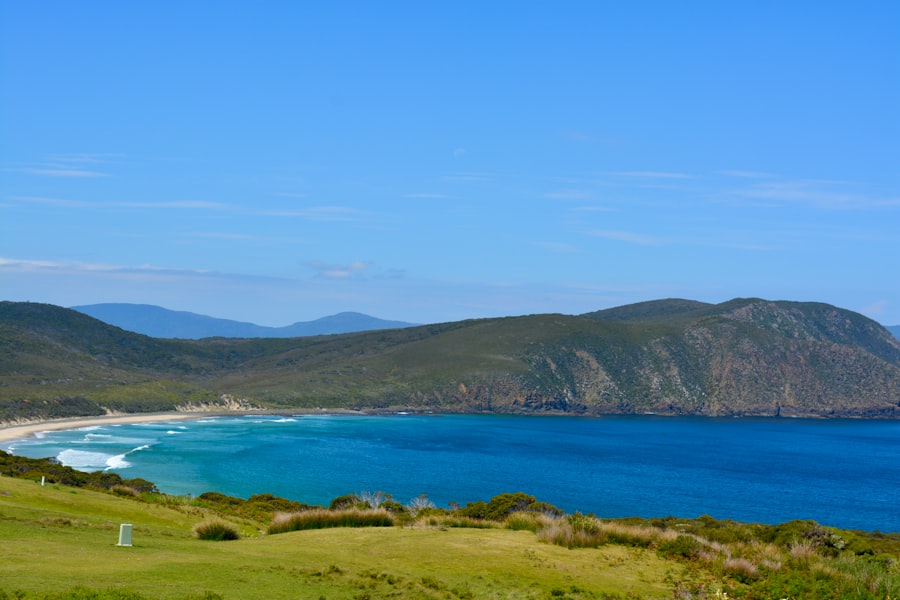
The natural beauty of Flinders Island is its primary draw. The landscape is diverse, ranging from pristine white sand beaches to rugged granite peaks and ancient native bushland.
Wild Beaches and Coastal Wonders
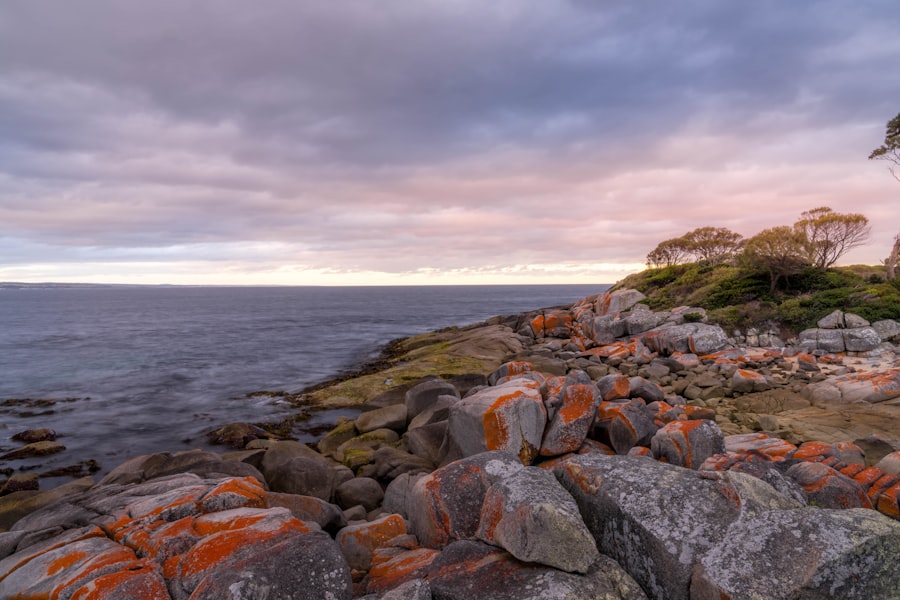
Flinders Island boasts an impressive array of beaches, many of which you might have all to yourself. Walk along the squeaky white sands of Trousers Point, often cited as one of Australia’s best beaches. Explore the fascinating rock formations at The Docks or the Bay of Fires, with its distinctive orange-lichen-covered granite boulders. Swimming is possible at many beaches, but be mindful of conditions, as some exposed areas can have strong currents. Beachcombing can yield unique shells and other natural treasures.
Mountain Hikes and Views
The island is dominated by a series of granite ranges. Mount Strzelecki, the highest peak, offers a challenging but rewarding hike to its summit. The path can be steep and rocky, but the panoramic views across the entire island and out to sea are breathtaking on a clear day. Other smaller peaks and hills provide less strenuous walks with equally impressive vistas. Ensure you wear appropriate footwear and carry enough water.
Flora and Fauna
Flinders Island is a haven for wildlife. Expect to see significant populations of wallabies (including the rare rufous-bellied pademelon), kangaroos, and wombats, particularly at dawn and dusk. The island is also a birder’s paradise, with over 200 species recorded, including a variety of sea birds and endemic species. The plant life is equally diverse, from coastal heathlands to eucalypt forests, with many unique wildflowers blooming throughout the year. Taking time to observe the wildlife in its natural habitat is an integral part of the Flinders Island experience.
Geological Formations
Beyond the orange rocks of the Bay of Fires, the island has other interesting geological features. Look for unique rock formations sculpted by wind and sea, particularly along the eastern coast. Evidence of ancient geological events is visible throughout the landscape, telling a story of millions of years of natural processes.
Local Life and Culture
Flinders Island is home to a small, close-knit community. Engaging with locals can enrich your visit and provide insights into island life.
Whitemark: The Main Hub
Whitemark is the island’s largest settlement and its administrative center. Here you’ll find the primary supermarket, post office, petrol station, and a few small shops and cafes. It’s a sleepy town, but provides all the essential services. The local pub can be a good spot to meet residents and hear local stories. There’s also a small museum that offers a glimpse into the island’s history, from Aboriginal heritage to European settlement and maritime stories.
Lady Barron: A Fishing Port
Located on the island’s southern tip, Lady Barron is a smaller port town. It’s predominantly a fishing hub, and you might see fishing boats coming and going. There’s a pub here and usually a small general store. Lady Barron serves as a departure point for charters to nearby smaller islands or for fishing trips. The atmosphere is distinctly nautical.
Art and Craft
Despite its remote location, Flinders Island has a vibrant artistic community. Many artists and artisans are drawn to the island’s beauty and isolation. You’ll find galleries and studios showcasing local talent, featuring everything from paintings and pottery to woodwork and textiles. These often operate on an “open by appointment” basis or during specific opening hours, so it’s worth checking ahead if you want to visit. Purchasing a piece of local art is a meaningful souvenir.
Community Events
Keep an eye out for local events during your stay. These could include farmers’ markets, arts festivals, fishing competitions, or community dinners. These events provide opportunities to interact with locals, contribute to the island’s economy, and experience the warm, welcoming spirit of the community. Information about these events can often be found at the airport, local shops, or community noticeboards.
Planning Your Trip
A successful trip to Flinders Island requires a bit of forethought to make the most of your time and ensure a smooth experience.
Best Time to Visit
The shoulder seasons (spring: September-November, autumn: March-May) often offer the best balance of pleasant weather and fewer visitors. Temperatures are mild, and the island’s flora is often at its most vibrant. Summer (December-February) is popular, with warm days ideal for beach activities, but accommodations book up quickly. Winter (June-August) can be cool and windy, but offers a different, often wilder beauty, and you might have the island almost entirely to yourself.
Packing Essentials
Pack layers of clothing as the weather can be unpredictable, even in summer. Sturdy walking shoes are a must, as are a hat, sunscreen, and insect repellent. Binoculars will enhance your wildlife spotting. Given the limited retail options, bring any specific toiletries, medications, or dietary items you might need. A good camera is also advisable to capture the stunning scenery.
Food and Supplies
While there’s a supermarket in Whitemark, it’s not a large metropolitan one. Supplies can be more expensive than on the mainland. If you have specific dietary requirements or prefer particular brands, consider bringing some non-perishable items with you. Fresh produce, especially local seafood, is available, but planning your meals and grocery runs is recommended, especially if staying in a self-catering unit.
Connectivity
Mobile phone reception can be patchy outside of the main towns. Don’t expect seamless 4G coverage everywhere. Internet access is available at some accommodations and public Wi-Fi spots but can be slower than what you’re accustomed to. Embrace this as an opportunity to truly disconnect and enjoy your surroundings without constant digital distractions.
Responsible Tourism
Flinders Island’s delicate ecosystem is its greatest asset. Practice Leave No Trace principles: take all your rubbish with you, stay on marked trails, and respect wildlife. Be mindful of fire restrictions, especially during dry periods. Support local businesses and engage with the community respectfully. Your actions directly contribute to preserving the island’s unique character for future generations. Flinders Island is a place that rewards those who approach it with curiosity and respect, offering a genuine escape from the everyday.
FAQs
What is Flinders Tasmania?
Flinders Tasmania is an island located in the Bass Strait, between the northeastern tip of Tasmania and Wilsons Promontory in Victoria, Australia.
How big is Flinders Tasmania?
Flinders Tasmania covers an area of approximately 1,367 square kilometers, making it the 52nd largest island in Australia.
What is the population of Flinders Tasmania?
As of the 2016 census, Flinders Tasmania had a population of around 900 people, most of whom live in the main settlement of Whitemark.
What are the main attractions on Flinders Tasmania?
Some of the main attractions on Flinders Tasmania include the Furneaux Museum, the Strzelecki National Park, and the beautiful coastal scenery and wildlife.
How do you get to Flinders Tasmania?
Flinders Tasmania is accessible by ferry from the town of Bridport on the northeastern coast of Tasmania. The ferry service operates several times a week.