Hobart, Tasmania’s capital, packs a surprising amount of charm and history into its compact size. If you’re wondering what to do there, it’s best to think of it as a place where natural beauty meets a vibrant cultural scene, all within easy reach. You can spend your mornings exploring world-class museums, your afternoons wandering through historic laneways, and your evenings enjoying fantastic local food and wine. It’s a city that invites you to slow down and savor its unique offerings.
Hobart’s culinary scene is a huge draw, and much of that magic happens at its markets. These aren’t just places to grab a bite; they’re vibrant hubs where you can taste the very essence of Tasmania.
Salamanca Market: A Weekend Must-Do
If you’re in Hobart on a Saturday, Salamanca Market is non-negotiable. It’s one of Australia’s most iconic outdoor markets, bursting with life from early morning until mid-afternoon.
- Local Produce Galore: Expect to find everything from plump berries and artisanal cheeses to freshly shucked oysters and locally brewed ciders. It’s the perfect place to stock up for a picnic or to bring home edible souvenirs.
- Handcrafted Treasures: Beyond food, you’ll discover an incredible array of handmade crafts. Think intricate jewelry, pottery, leather goods, textiles, and unique art pieces. It’s a great spot for finding something truly special, whether for yourself or as a gift.
- Atmosphere and Entertainment: The market is more than just stalls. Street performers, musicians, and a general buzz of happy chatter fill the air, making it a genuinely enjoyable experience to wander through. Grab a coffee, a pastry, and just soak it all in.
- Getting There and Around: It’s located right on Salamanca Place, a short walk from the central business district. Arrive early to beat the biggest crowds and make the most of your time.
Farm Gate Market: For the Food Enthusiast
For a more focused gastronomic experience, the Farm Gate Market is your destination. Held every Sunday, it’s dedicated solely to Tasmanian food producers.
- Meet the Makers: This is where you can chat directly with the farmers, cheesemakers, bakers, and brewers who create Tasmania’s incredible food. They’re passionate about their products, and you can learn a lot from them.
- Seasonal Delights: The offerings shift with the seasons, meaning you’ll always find something fresh and in its prime. It’s a true celebration of what Tasmania’s fertile land and pristine waters can produce.
- Beyond the Shelves: Keep an eye out for prepared foods too – think delicious pies, artisan bread, and ready-to-eat snacks. It’s a perfect spot for a hearty brunch before you start your day.
A Deep Dive into History and Culture
Hobart wears its history with pride, and there are several key institutions that offer a fascinating glimpse into its past and its artistic soul.
MONA: More Than Just a Museum
The Museum of Old and New Art (MONA) is arguably Hobart’s most famous cultural landmark, and for good reason. It’s not your typical museum; it’s an experience.
- Underground Wonders: MONA is built into the side of a cliff overlooking the Derwent River, and its often dark, sometimes confronting, and always thought-provoking exhibitions are housed within its subterranean depths.
- Challenging and Captivating: Expect art that will make you think, question, and perhaps even feel a little uncomfortable. It’s renowned for its provocative and original approach, showcasing a mix of ancient artifacts and contemporary art.
- Getting There: You can take a ferry from the Hobart waterfront (which is an enjoyable ride in itself) or drive. The ferry often docks right by the museum entrance.
- Beyond the Art: MONA also boasts excellent restaurants and bars, making it a destination you can spend a significant amount of time at. Don’t miss the opportunity to explore the surrounding grounds and enjoy the views.
Tasmanian Museum and Art Gallery (TMAG): A Broader Perspective
For a more comprehensive understanding of Tasmania’s natural and cultural heritage, TMAG is an excellent stop.
- Natural History Insights: Explore the island’s unique flora and fauna, from the iconic Tasmanian devil to the ancient Huon pine. There are excellent exhibits on the island’s geological history and marine life.
- Indigenous Culture: TMAG has significant collections dedicated to Tasmanian Aboriginal culture, offering a vital and respectful exploration of the island’s first peoples. This is crucial for understanding the full history of Tasmania.
- Colonial and Maritime History: Learn about Hobart’s beginnings as a British penal colony and its important role in maritime exploration and trade. The exhibits on the whaling industry are particularly compelling.
- Art Collections: The gallery features a diverse collection of Tasmanian art, historical paintings, and contemporary works, providing a well-rounded artistic journey.
Cadbury Chocolate Factory: A Sweet Detour
If you have a sweet tooth and a bit of nostalgia, a visit to the Cadbury Chocolate Factory (while it’s still operating as a visitor experience) offers a delightful sensory overload.
- Behind the Scenes: Discover the history of chocolate making and how Cadbury has evolved. While the full factory tours might be limited, the visitor center often provides engaging insights.
- Tastings and Souvenirs: The highlight for many is the chance to sample different Cadbury products and pick up some exclusive treats from their shop. It’s a fun, interactive experience for all ages.
- Location: It’s located in the suburb of Claremont, a short drive north of Hobart.
Wandering Through Historic Precincts
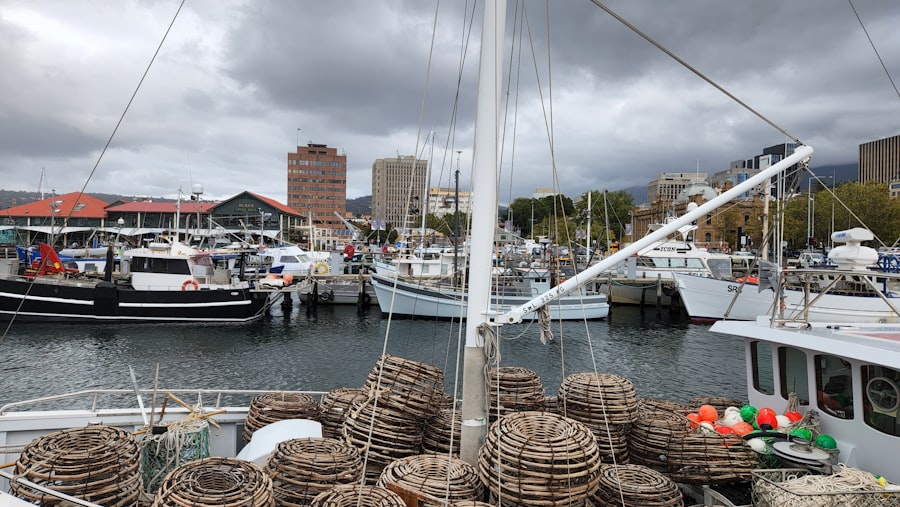
Hobart’s compact nature means its historical areas are easily navigable on foot, allowing you to absorb the atmosphere at your own pace.
Battery Point: Georgian Charm
Just a short stroll from the waterfront, Battery Point is one of Hobart’s most picturesque and historically significant neighborhoods.
- Architectural Gems: Wander along its narrow, winding streets and admire the beautifully preserved Georgian sandstone cottages, some dating back to the 1830s. It feels like stepping back in time.
- Hidden Laneways: Explore the quaint laneways and courtyards, many of which are home to charming independent boutiques, cozy cafes, and traditional pubs.
- The Pinnacle of Macquarie Street: Macquarie Street is a particular highlight, showcasing some of the finest examples of Georgian architecture in Australia.
- Views and Atmosphere: Climb up to Arthur Circus for delightful cottages and a picturesque green space, or find a vantage point for lovely views over the harbor. The entire area exudes a peaceful, old-world charm.
The Hobart Waterfront and Constitution Dock
The heart of Hobart’s maritime identity beats strongly along its waterfront, particularly around Constitution Dock.
- Historic Ships: This is where you’ll often see impressive sailing yachts, including those that have participated in the Sydney to Hobart Yacht Race. It’s a fascinating place to admire maritime engineering.
- Fish Market and Seafood: Directly on the water, you can find fresh seafood straight off the boats. Enjoy a casual lunch of fish and chips or sample some local oysters while taking in the harbor views.
- Salamanca Place Connection: The waterfront seamlessly connects to Salamanca Place, making it easy to combine your market visit with a stroll along the water.
- Cruises and Boat Trips: The waterfront is also the departure point for various harbor cruises, offering a different perspective of the city and its surroundings.
Experiencing the Outdoors and Natural Beauty
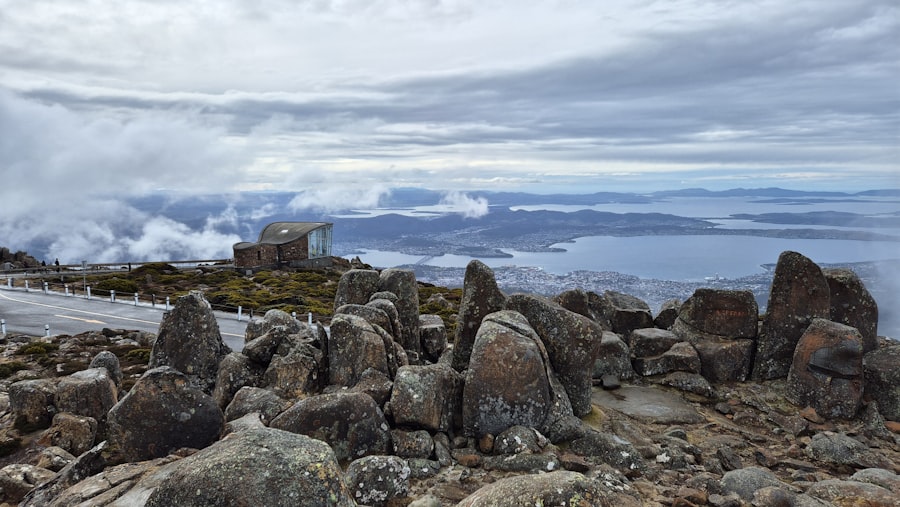
Hobart is blessed with stunning natural landscapes right on its doorstep, offering opportunities for easy exploration and breathtaking views.
Mount Wellington (kunanyi) Summit: Panoramic Vistas
No visit to Hobart is complete without ascending Mount Wellington, or kunanyi as it’s known by the local Aboriginal people. The views are simply spectacular and change with the weather.
- Drive or Walk: You can drive most of the way to the summit, or for the more ambitious, there are numerous walking tracks that lead up. The drive itself offers increasingly impressive views as you ascend.
- The Summit Observation Deck: At the top, a well-designed observation deck provides 360-degree views of Hobart, the Derwent River, Bruny Island, the Tasman Peninsula, and the vast Southern Ocean.
- Weather Readiness: The weather at the summit can be significantly different from that in the city. It can be windy, cold, and even snowy, even when it’s warm in Hobart, so dress in layers.
- Walking Trails: For those who enjoy hiking, there are numerous trails ranging from gentle strolls to more challenging treks, offering different perspectives of the mountain’s diverse flora and fauna.
Royal Tasmanian Botanical Gardens: A Peaceful Escape
A short drive from the city center, the Royal Tasmanian Botanical Gardens are a haven of tranquility and horticultural beauty.
- Diverse Collections: Explore themed gardens showcasing flora from around the world, with a particular focus on temperate regions. The Japanese Garden, the Subantarctic Plant House, and the Mediterranean Garden are highlights.
- Historic Conservatory: Admire the stunning Victorian-era conservatory, a beautiful centerpiece that houses a variety of exotic plants.
- Local Tasmanian Flora: The gardens also feature dedicated sections for native Tasmanian plants, allowing you to appreciate the island’s unique botanical heritage.
- Relaxation and Picnics: It’s a wonderful place to unwind, enjoy a leisurely walk, or pack a picnic to enjoy amidst the beautiful surroundings.
Day Trips and Excursions from Hobart
While Hobart itself offers plenty to see and do, its location makes it an ideal base for exploring more of Tasmania’s natural wonders and historical sites.
Port Arthur Historic Site: A Somber Yet Essential Visit
A UNESCO World Heritage Site, Port Arthur is a former convict settlement and one of Australia’s most significant historical landmarks.
- Immersive History: The site offers a powerful and moving insight into the lives of convicts and the realities of colonial Australia. Guided tours and interpretive displays bring the stories to life.
- Extensive Grounds: Explore the asylum, the penitentiary, the church, and the various cottages, each with its own history and tales to tell. The island penal settlement on Garden Island adds another layer of understanding.
- Scenic Beauty: Despite its dark history, the site is set amidst stunning coastal scenery, which contrasts poignantly with the grim past.
- Getting There: It’s about a 90-minute drive from Hobart. You can drive yourself, take a bus tour, or even a scenic harbor cruise from Hobart, which offers a different perspective.
Bruny Island: Nature’s Playground
Just a short ferry ride away, Bruny Island is a paradise for nature lovers, offering dramatic coastlines, diverse wildlife, and delicious local produce.
- The Neck: This narrow strip of land connecting the north and south of the island is a must-see, with stunning views from the observation deck. You might even spot Fairy Penguins nesting here.
- Cape Bruny Lighthouse: Visit the historic lighthouse for more breathtaking views and a glimpse into Tasmania’s maritime past.
- Local Delicacies: Bruny Island is also known for its exceptional food. Seek out local cheese producers, oyster farms, and berry farms for a delicious tasting experience.
- Wildlife Encounters: Keep an eye out for wallabies, echidnas, and a variety of birdlife. Boat tours offer opportunities to see seals, dolphins, and even whales (during migration season).
The Huon Valley: Orchards and Artisans
South of Hobart, the Huon Valley is a picturesque region known for its apple orchards, artisanal producers, and charming country towns.
- Apple Isle Heritage: Historically the heartland of Tasmania’s apple industry, parts of this heritage are still visible. Visit local Ciders and enjoy tastings of their apple-based products.
- Artisan Food Producers: Discover a range of local producers offering everything from smoked salmon and honey to handmade chocolates and jams.
- Woodturning and Crafts: The region is also known for its skilled woodturners and craftspeople. Visit workshops and galleries to see their work.
- Scenic Drives: Enjoy leisurely drives through rolling hills, past historical timber towns like Franklin and Huonville, and along the stunning waterways of the Huon River.
Hobart is a city that rewards exploration. By understanding its market culture, historical depth, natural beauty, and proximity to further adventures, you can craft an itinerary that is both engaging and genuinely enjoyable. It’s a place where you can easily find yourself lost in conversation with a local producer, captivated by a piece of art, or simply mesmerized by a sweeping coastal view.
FAQs
What is Hobart Tasmania known for?
Hobart, the capital city of Tasmania, is known for its rich history, stunning natural landscapes, and vibrant arts and culture scene. It is also famous for its historic waterfront, Salamanca Market, and the annual Dark Mofo festival.
What are some popular attractions in Hobart Tasmania?
Some popular attractions in Hobart include the Museum of Old and New Art (MONA), Mount Wellington, Salamanca Place, Battery Point, and the Royal Tasmanian Botanical Gardens.
What outdoor activities can be enjoyed in Hobart Tasmania?
Visitors to Hobart can enjoy a range of outdoor activities such as hiking, mountain biking, kayaking, and wildlife spotting. The city is also a great base for exploring the surrounding national parks and wilderness areas.
What is the climate like in Hobart Tasmania?
Hobart has a temperate maritime climate with four distinct seasons. Summers are mild and winters are cool, with occasional snowfall on Mount Wellington. The city experiences relatively high rainfall throughout the year.
How can I get to Hobart Tasmania?
Hobart is accessible by air, with direct flights from major Australian cities such as Melbourne, Sydney, and Brisbane. The city also has a port for cruise ships, and there are regular ferry services from the mainland.