Tasmania’s Northern Midlands offer a refreshing escape, and yes, it’s absolutely worth exploring. Forget the usual tourist trails for a moment and consider this region when you’re looking for a genuine taste of Tasmanian history, local charm, and a more relaxed pace. It’s not about adrenaline-pumping activities, but rather about soaking in the atmosphere, uncovering stories, and enjoying the simple pleasures of rural life. Think historic towns, sweeping agricultural landscapes, and a surprisingly robust food and wine scene that often flies under the radar. If you appreciate history, good food, and a break from the hustle and bustle, the Northern Midlands deliver.
The Northern Midlands are a living museum, with many towns preserving their colonial past remarkably well. Driving through this region is like stepping back in time, with beautifully maintained Georgian and Victorian architecture at every turn.
Ross: A Postcard-Perfect Village
Ross is arguably the crown jewel of the Northern Midlands, and for good reason. It’s small, impeccably preserved, and steeped in history.
The Ross Bridge: An Engineering Marvel
No visit to Ross is complete without admiring the Ross Bridge. Built by convict labour in 1836, it’s considered Australia’s third-oldest bridge still in use. What makes it truly special are the 186 intricate carvings depicting various faces, animals, and symbols. Take your time to examine them; the craftsmanship is astounding for its era. There’s a persistent, albeit unproven, legend that the stonemason, Daniel Herbert, won his freedom for his exceptional work on these carvings. Whether true or not, it adds to the mystique.
Female Factory: A Somber Reminder
Just across the bridge from the main village is the Ross Female Convict Station, or Female Factory. This site, now a ruin, provides a sobering glimpse into the harsh realities faced by female convicts in colonial Tasmania. Interpretive panels offer details about their lives, work, and the incredibly difficult conditions they endured. It’s a powerful and poignant historical site, offering a stark contrast to the picturesque village. A guided tour or even just reading the information boards provides valuable context.
Exploring the Village Centre
Wander the streets of Ross and you’ll find charming Georgian buildings housing cafes, antique shops, and local crafts. The Uniting Church, with its distinctive steeple, is another prominent landmark. Take a moment to visit the local bakery, famous for its Scallop Pies (a Tasmanian specialty, though not exclusively from Ross) and other traditional baked goods. It’s a great spot for a coffee break and to soak in the peaceful atmosphere. The town’s layout, with its cross formation (Church, Manse, Pub, Gaol – representing the spirit, the flesh, the tempted, and the condemned), is a unique planning feature from the colonial era.
Richmond: Gateway to the East
While usually associated with the Coal River Valley to the south, Richmond’s historic significance ties it intrinsically to the Northern Midlands’ story. It’s often one of the first historic towns visitors encounter when driving from Hobart.
Richmond Bridge: Australia’s Oldest
Like Ross, Richmond boasts a historic bridge. The Richmond Bridge, completed in 1825, holds the distinction of being Australia’s oldest bridge still in use. Its stone arches gracefully span the Coal River, and it’s a popular spot for picnics and photography. The setting, with the convict-built bridge against a backdrop of historic buildings, is undeniably photogenic.
Richmond Gaol: A Pre-Port Arthur Experience
Opened in 1825, Richmond Gaol predates Port Arthur by five years. It offers a fascinating, albeit chilling, insight into Australia’s convict past without the overwhelming scale of Port Arthur. You can explore the various cells, the flogging yard, and the solitary confinement cells. The stories of the convicts incarcerated here, some of whom were awaiting transport to Port Arthur, are particularly moving. It’s a self-guided experience, allowing you to absorb the history at your own pace.
Longford: A UNESCO World Heritage Site
Longford is often overlooked in favour of Ross or Richmond, but it holds a unique distinction: it’s part of the Australian Convict Sites World Heritage listing, specifically for the Brickendon and Woolmers Estates.
Brickendon and Woolmers Estates: Dual Heritage
These two adjoining estates offer an incredible glimpse into early colonial farming and family life. Both are still owned and managed by descendants of the original settlers, which is remarkable.
Woolmers Estate
Woolmers is arguably the more grand of the two, with its impeccably preserved homestead, outbuildings, and extensive gardens. It’s a museum of agricultural history, showcasing how prosperous landowners lived and worked. The estate’s collection of artifacts and machinery is extensive, and the guided tours provide rich detail about the Gibson family and their role in Tasmanian history. The four hectares of formal and informal gardens are particularly beautiful in spring and autumn.
Brickendon Estate
Brickendon offers a slightly different perspective, focusing more on the working farm and the daily lives of both the free settlers and the assigned convicts. It’s still a working farm today, and you can see traditional farming practices in action. The convict village, with its original cottages, is particularly compelling, offering a rare insight into the living conditions of assigned convicts. There are also farm animals to see, making it a good option if you’re traveling with children. You can even stay in some of the historic cottages here, offering a truly immersive experience.
Culinary Delights: From Paddock to Plate
The Northern Midlands quietly boasts a burgeoning food and drink scene, taking advantage of its rich agricultural land. This isn’t about trendy fine dining, but rather quality local produce and authentic experiences.
Local Produce and Farm Gates
The fertile plains of the Midlands mean an abundance of fresh produce. Keep an eye out for farm gates selling berries, stone fruits, and vegetables in season. Many local cafes and restaurants pride themselves on sourcing ingredients locally, often stating it on their menus. Don’t shy away from asking where ingredients come from; locals are usually happy to share.
Craft Beverages: Cider and Wine
While not as heavily advertised as some other regions, the Northern Midlands has a growing number of artisanal producers.
Small Batch Wineries
You’ll find boutique wineries scattered throughout the region, particularly around Relbia, just south of Launceston, which technically borders the Northern Midlands. These often offer a more personal tasting experience than larger vineyards. Pinot Noir and Chardonnay thrive in Tasmania’s cool climate, and you’ll find some excellent examples here. Do some research beforehand, as cellar door opening hours can vary significantly.
Craft Cideries
Tasmania has a strong cider tradition, given its apple-growing heritage. Look out for local craft cider producers who are creating some truly fantastic, dry ciders from heritage apple varieties. They often have tasting rooms where you can sample their range and learn about the cider-making process. These are often small-batch operations, adding to their charm.
Traditional Pub Fare and Cafes
Every historic town in the Northern Midlands has at least one pub, offering hearty meals in a classic Australian setting. These are great places to strike up a conversation with a local and get a feel for the community. You’ll also find charming cafes in towns like Ross, Campbell Town, and Evandale, serving excellent coffee, homemade cakes, and light lunches. These are perfect for a mid-morning break or an afternoon treat. The focus is usually on fresh, unfussy, and delicious food.
Nature and Scenery: Beyond the Towns
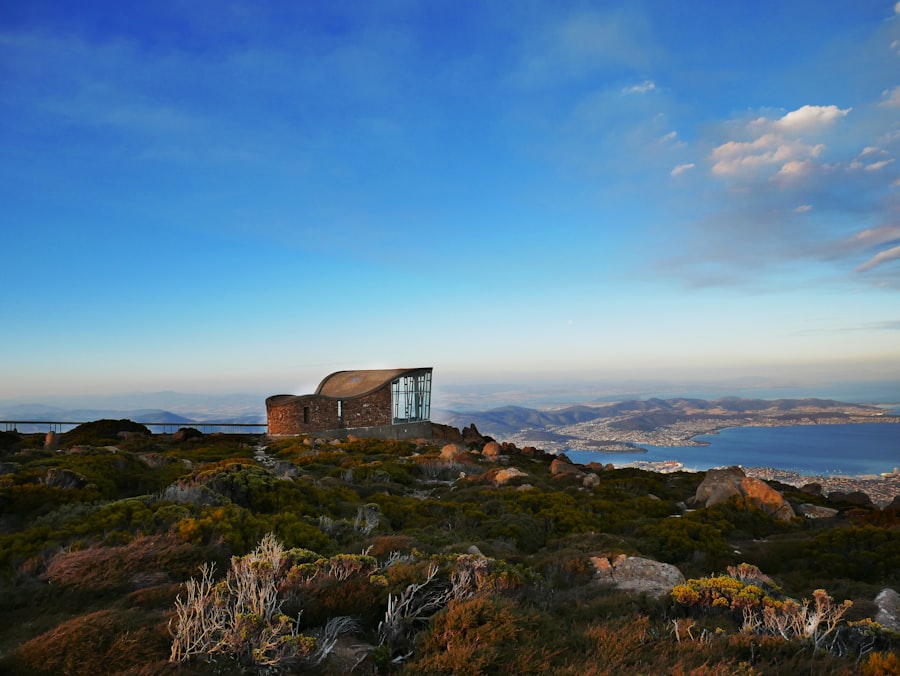
While the historic towns are a major draw, the Northern Midlands also offer stunning natural scenery and opportunities for gentle outdoor activities.
Expansive Rural Landscapes
The defining feature of the Northern Midlands outside its towns is the vast, rolling agricultural landscape. Fields of poppies (in season, usually December-January), grains, and pastures stretch as far as the eye can see, punctuated by majestic old gum trees and occasional stands of native bush.
Scenic Drives
Simply driving through the region is a pleasure. The Midland Highway (A1) is the main artery, but take the time to explore the smaller, winding roads that connect the villages. These offer more intimate views of the countryside, often with stunning vistas across valleys and plains. The drive itself becomes part of the experience, offering numerous photo opportunities.
Wildlife Spotting
Keep an eye out for native wildlife as you drive or walk. Wallabies, possums, and various bird species are common, particularly in the early morning or late afternoon. If you’re lucky, you might spot a platypus in one of the many rivers or creeks, though they are notoriously shy. Dawn and dusk are the best times for wildlife viewing.
Rivers and Lakes: Fishing and Picnics
Several rivers weave through the Northern Midlands, including the South Esk River and the Macquarie River. These provide tranquil spots for fishing, picnicking, or simply enjoying the peaceful surroundings.
Fishing Opportunities
If you’re a keen angler, the rivers and smaller lakes of the Northern Midlands offer good opportunities for trout fishing. A fishing license is required, and you should check local regulations regarding catch limits and seasons. Local bait and tackle shops can provide current information and tips.
Riverside Picnics
Pack a picnic basket with local goodies and find a quiet spot by the river. It’s a wonderful way to relax, slow down, and immerse yourself in the natural beauty of the region. Many towns have public spaces or parks by the water’s edge that are perfect for this.
Arts and Crafts: Local Talent
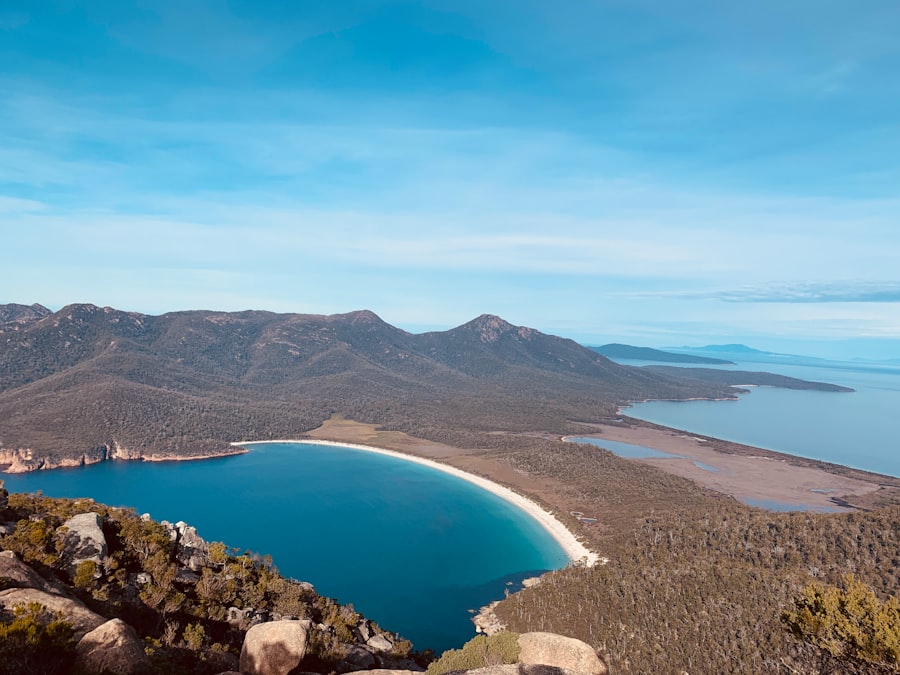
The quiet charm of the Northern Midlands has attracted a surprising number of artists and artisans, inspired by the landscape and the slower pace of life.
Galleries and Studios
You’ll encounter small galleries and artists’ studios in many of the towns, particularly Ross, Evandale, and Longford. These showcase a range of local talent, from landscape painters and sculptors to potters and textile artists. It’s a great opportunity to find a unique souvenir or a piece of local art.
Meet the Makers
Many artists operate their studios directly from their homes or small commercial spaces. Don’t be shy about popping in; often, you can meet the artist themselves, learn about their process, and perhaps even watch them at work. This direct interaction adds a layer of appreciation to the artwork.
Antique and Second-Hand Shops
For those who love to browse for hidden treasures, the Northern Midlands is a fantastic hunting ground for antiques and second-hand items. The long history of the region means there’s a good chance of finding authentic historical pieces.
Evandale: A Hub for Antiques
Evandale, a particularly lovely Georgian village, is known for its antique shops. Spend an afternoon browsing the various stores; you never know what unique find you might uncover. From furniture and homewares to collectables and vintage clothing, there’s a wide array of items to explore.
Beyond Evandale
While Evandale is a hotspot, you’ll find smaller antique and collectable shops in other towns like Campbell Town and Ross. It’s always worth a peek, as each shop tends to have its own unique personality and selection.
Tips for Exploring the Northern Midlands
To make the most of your trip, keep a few practical points in mind. This region is best savoured slowly, not rushed.
Best Time to Visit
The Northern Midlands are beautiful year-round, but each season offers a different experience.
Spring (September – November)
This is a beautiful time, with wildflowers blooming and newborn lambs in the fields. The weather is generally mild, making it pleasant for exploring the towns and countryside.
Autumn (March – May)
The landscapes come alive with golden and russet tones as the leaves change, particularly beautiful around the historic estates. The weather is crisp and clear, ideal for walking and photography.
Summer (December – February)
Warmer weather means longer days, and it’s the peak season for fresh produce. Be prepared for potentially hot days, especially if you’re planning outdoor activities. Some towns can get busy, but it rarely feels overcrowded.
Winter (June – August)
Winter can be cold and frosty, but it also brings a quiet charm. Historic pubs with roaring fires become incredibly inviting. It’s a more subdued experience, but often very atmospheric, particularly if you enjoy crisp, clear days.
Getting Around
A car is absolutely essential for exploring the Northern Midlands. Public transport between towns is very limited or non-existent, and you’ll want the freedom to stop at farm gates, scenic viewpoints, and small villages not on main routes. The roads are generally well-maintained and uncrowded.
Accommodation Options
You’ll find a range of accommodation, from charming B&Bs in historic houses to self-contained cottages and traditional pub rooms. Consider staying in one of the historic towns themselves to immerse yourself fully in the atmosphere. Booking ahead, especially during peak seasons or for specific historic properties, is always a good idea. Many of the B&Bs and guesthouses offer a more personal and often luxurious experience than larger hotels.
Embracing the Pace
The Northern Midlands are not about ticking off a list of attractions. It’s about slowing down, appreciating the history, enjoying local food, and soaking in the tranquil rural atmosphere. Allow yourself extra time in each town to wander aimlessly, chat with locals, and simply enjoy the moment. This is where the true charm of this hidden gem reveals itself.
FAQs
What is the location of Northern Midlands Tasmania?
The Northern Midlands region is located in the central part of the Australian state of Tasmania. It is situated between the cities of Launceston and Hobart.
What are some notable attractions in Northern Midlands Tasmania?
Some notable attractions in Northern Midlands Tasmania include historic towns such as Longford and Evandale, as well as the Woolmers Estate and Brickendon Estate, which are both UNESCO World Heritage-listed sites.
What is the climate like in Northern Midlands Tasmania?
The climate in Northern Midlands Tasmania is typically cool temperate, with mild summers and cool winters. The region experiences four distinct seasons, with the summer months being the warmest and the winter months being the coldest.
What are the main industries in Northern Midlands Tasmania?
The main industries in Northern Midlands Tasmania include agriculture, particularly sheep and cattle farming, as well as horticulture and viticulture. The region is also known for its historic buildings and heritage tourism.
How can I get to Northern Midlands Tasmania?
Northern Midlands Tasmania is accessible by road, with the Midlands Highway running through the region. The closest major airports are in Launceston and Hobart, both of which are approximately an hour’s drive away from the Northern Midlands.