So, you’re thinking about King Island? Great choice! People often ask if it’s worth the trip, and the short answer is a resounding yes. Think of King Island as Tasmania’s wilder, more remote cousin, packed with stunning natural beauty, incredible food, and a vibe that’s wonderfully unhurried. It’s less about ticking off a list of famous sights and more about experiencing a place that feels genuinely untouched. If you’re looking for an escape that’s both invigorating and calming, King Island delivers. Let’s dive into what makes this little island truly special.
Getting to King Island is part of the adventure, and thankfully, it’s not as complicated as you might imagine. Most visitors arrive by air, which is the most straightforward method.
Flying In
The primary way to reach King Island is by plane. Rex Airlines (Regional Express) operates regular flights connecting the island to Tasmania’s mainland cities. You’ll usually fly from Melbourne (Tullamarine Airport) or from Launceston and Hobart in Tasmania.
- From Melbourne: Flights are frequent, making it a good option if you’re coming from further afield. The flight time is relatively short, usually around an hour.
- From Tasmania: If you’re already exploring Tasmania, flying from Launceston or Hobart is a good way to incorporate King Island into your itinerary.
Booking your flights in advance is always a good idea, especially if you’re traveling during peak seasons or school holidays. The King Island Airport is small and efficient, meaning you won’t be spending ages in queues.
Getting Around on the Island
Once you land, you’ll likely be wondering how to explore. King Island isn’t a place where you’ll find extensive public transport. The best way to experience its nooks and crannies is with your own wheels.
- Car Hire: It’s highly recommended to hire a car. You can usually arrange this when you book your flights, often picking up directly at the airport. This gives you the freedom to set your own pace and discover those hidden beaches and lookouts. Don’t expect a huge fleet; booking ahead is crucial.
- Tours: If driving isn’t your preference, guided tours are available. These are a great option if you prefer to be shown around by a local who knows all the best spots and can share fascinating insights into the island’s history and culture.
- Walking and Cycling: For the very energetic, parts of the island are suitable for walking and cycling, particularly around the main town of Currie. However, the island is larger than it might appear at first glance, and covering significant distances without a vehicle can be challenging.
The roads on King Island are generally well-maintained, though like many rural areas, some can be unsealed. Just take it easy, enjoy the scenery, and be mindful of wildlife.
The Wild Coastline: Beaches and Beyond
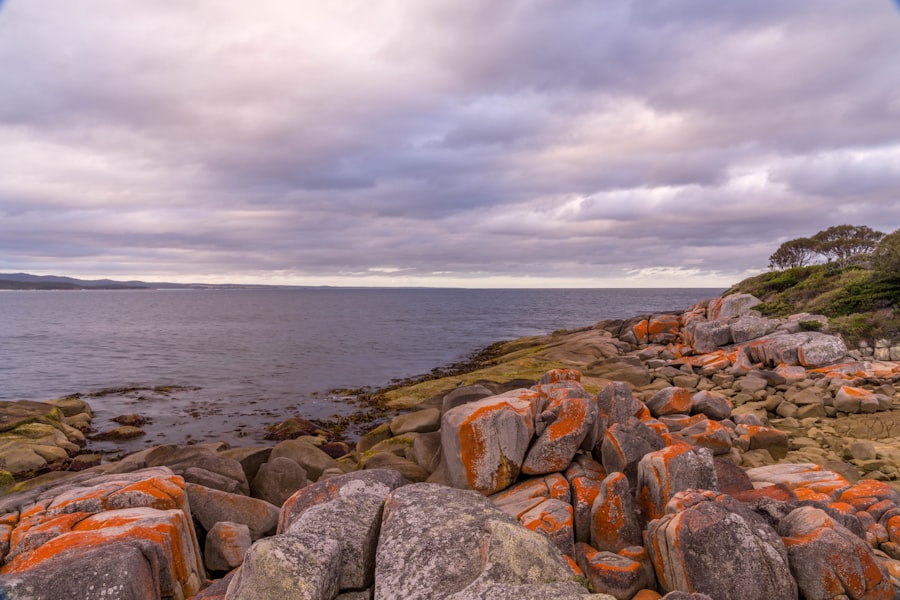
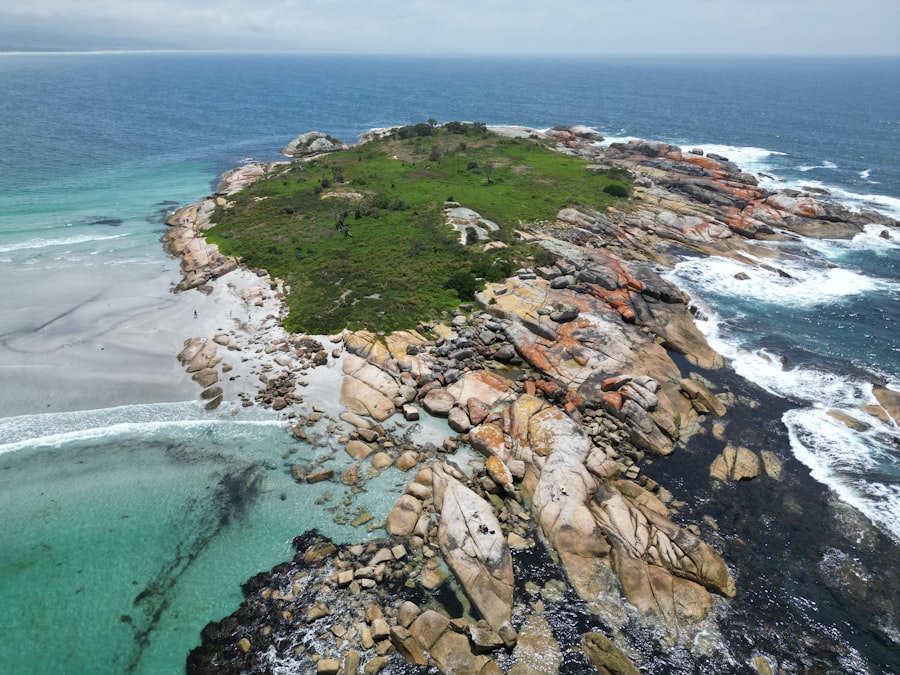
King Island’s coastline is truly its crowning glory. It’s a dramatic landscape of rugged cliffs, pristine beaches, and powerful ocean swells that have shaped its history and character.
Stark Beauty: The Cape Wickham Lighthouse
Standing sentinel on the northernmost tip of the island is the Cape Wickham Lighthouse. It’s not just a picturesque landmark; it’s a testament to the island’s sometimes treacherous maritime past.
- Views and Vistas: The area around the lighthouse offers breathtaking panoramic views of the surrounding ocean and coastline. On a clear day, you can see for miles.
- Photography Hotspot: Photographers will find endless inspiration here, from the imposing lighthouse itself to the wild seas crashing below.
- Historical Significance: Built in the late 19th century, the lighthouse served as a crucial aid to navigation for ships traversing Bass Strait.
Secluded Sands: Ocean Dunes and Pristine Beaches
King Island boasts an astonishing variety of beaches, each with its own unique charm.
- Calcified Forest: A fascinating geological wonder, the Calcified Forest at Bluff Beach features fossilized tree trunks and root systems preserved in limestone. It’s a glimpse into a prehistoric landscape and a truly unique beach experience. You can walk amongst these ancient formations, imagining what the island was like thousands of years ago.
- Martha’s Bay: This sheltered bay is a popular spot for swimming, kayaking, and simply relaxing. The water here is generally calmer, making it ideal for families.
- Seal Rocks: While not a beach for swimming, Seal Rocks is a significant wildlife viewing area. Boat tours often visit this area, allowing you to see Australian fur seals in their natural habitat. The cacophony and activity of the colony are quite something to witness.
- Ettrick Rocks: Another important area for wildlife, Ettrick Rocks is a breeding ground for seabirds and other marine life. It’s a rugged and remote stretch, best viewed from a respectful distance.
The beaches here are rarely crowded. You can often find yourself with miles of sand all to yourself, a rare luxury these days.
A Food Lover’s Paradise: Island Produce
If you’re someone who appreciates fresh, high-quality ingredients, King Island will blow you away. The island’s isolation and pristine environment lend themselves to producing some of the world’s best food.
Dairy Delights: King Island Dairy
You absolutely cannot visit King Island without experiencing the renowned King Island Dairy. This is where the magic happens for many of the island’s most famous products.
- Cheese Tasting: The dairy offers a fantastic opportunity to sample their award-winning cheeses. From creamy bries and camemberts to sharp cheddars, there’s something for every palate. Many people stock up before heading home – I know I do!
- Factory Tours (if available): Depending on the season and their visitor offerings, you might be able to learn more about the cheesemaking process. Even if a full tour isn’t on offer, visiting the shop and tasting room is a must.
- Local Ingredients: The quality of the milk, thanks to the rich pastures and clean air, is the secret behind their incredible dairy products.
Beyond Dairy: Beef, Seafood, and More
While the dairy is a star, King Island’s culinary scene extends far beyond cheese. The island is a haven for artisanal producers.
- King Island Beef: Renowned for its exceptional marbling and flavour, King Island beef is a premium product. The cattle graze on abundant, nutrient-rich grasses, resulting in incredibly tender and delicious meat. Experiencing a perfectly cooked steak while on the island is a true highlight for many. You’ll find it featured in many local restaurants.
- Fresh Seafood: Being surrounded by the ocean, it’s no surprise that King Island offers fantastic seafood. Depending on the season, you might find fresh oysters, crayfish (lobster), mussels, and a variety of fish. Local fishermen bring in their catch, ensuring you’re tasting the freshest of the fresh. Dining at a local restaurant and enjoying the ocean bounty is a culinary journey in itself.
- Honey and Other Artisanal Products: Keep an eye out for other local specialties like honey, jams, and baked goods. Many smaller producers contribute to the island’s rich tapestry of flavours. Visiting local markets or small farm gate stalls can uncover some hidden gems.
The focus on fresh, local, and high-quality ingredients is palpable on King Island. It’s food that tastes like it should, unadulterated and bursting with natural flavour.
Exploring the Natural Landscape: Beyond the Coast
While the coastline is undeniably spectacular, King Island’s interior also holds its own unique charm, offering different textures and experiences.
The Rollings Hills and Farmland
The island’s interior is characterized by rolling hills, lush pastures, and a patchwork of farmland. It’s a gentler landscape than the dramatic coast but no less beautiful.
- Scenic Drives: Taking a drive through the inland roads offers a peaceful contrast to the coastal winds. You’ll see sheep grazing, farms nestled into the landscape, and a sense of quiet productivity.
- Wildlife Spotting: Keep an eye out for kangaroos, wallabies, and a wide variety of birdlife as you explore. The island’s relatively undisturbed environment makes it a haven for native fauna.
Freshwater Gems: Lakes and Lagoons
King Island isn’t just about the ocean; it also has its share of freshwater bodies.
- Lake Flinders: This freshwater lake is a significant feature on the island, providing a different habitat and landscape. It’s a peaceful spot, often frequented by birdlife.
- Natural Pools: While not always designated swimming spots, you might discover natural pools and tranquil inlets that offer a unique sensory experience amongst the natural surroundings. It’s always wise to check local advice regarding safety if considering a dip.
Exploring the interior reveals a different facet of King Island’s character – one of quiet resilience and natural balance.
Island Life, Culture, and History
King Island’s history is as rich and varied as its landscape, shaped by shipwrecks, early settlement, and a strong sense of community.
Echoes of the Past: Shipwrecks and Early Settlers
The waters surrounding King Island have a notorious reputation for shipwrecks, and the island’s history is indelibly linked to them.
- Shipwreck Coast: The western coast, in particular, saw numerous vessels meet their end on the reefs and powerful currents of Bass Strait. You can learn more about these tales of maritime disaster at local museums or interpretive centres.
- Early Industries: Beyond farming and dairy, early industries included whaling and kelp harvesting, reflecting the island’s reliance on its natural resources.
The Heart of the Island: Currie and Grassy
The island’s main towns, Currie and Grassy, offer a glimpse into daily life on King Island.
- Currie: This is the island’s administrative and commercial hub, featuring the main shops, post office, a charming harbour, and the King Island Historical Museum. It’s a pleasant place to stroll, grab a coffee, and soak in the relaxed atmosphere. The harbour is a focal point, with fishing boats coming and going.
- Grassy: Located in the south, Grassy has a more rugged feel, with a history tied to mining. It’s a smaller settlement, offering a different perspective on island living. You might also find access to some of the island’s more remote attractions from this area.
A Unique Community Spirit
Life on King Island fosters a strong sense of community. Residents often rely on each other, and there’s a welcoming spirit for visitors who appreciate the island’s unique way of life. You’ll find that people are generally friendly and happy to share their knowledge and love for their island home. This unpretentious warmth is a significant part of the King Island experience, making visitors feel less like tourists and more like temporary residents.
Why King Island Might Be Your Next Favourite Escape
So, after all that, why choose King Island? It’s not about flashy resorts or bustling nightlife. It’s about a different kind of luxury.
The Allure of ‘Untouched’
In a world that often feels over-developed and over-hyped, King Island offers a refreshing sense of authenticity. The landscapes feel wild, the food tastes real, and the pace of life allows you to truly unwind. It’s a place where you can reconnect with nature and yourself.
An Experience for the Discerning Traveller
This island appeals to those who appreciate quality over quantity, genuine experiences over manufactured ones. If you’re a food lover, an outdoor enthusiast, or simply someone seeking a break from the norm, King Island has something special to offer. The lack of overt commercialism means you’re experiencing the island as it is, not as it’s trying to be for mass tourism.
Planning Your Trip: A Few Practical Tips
- Best Time to Visit: King Island experiences all four seasons. Summer (December-February) offers the warmest weather and longest days, ideal for outdoor activities. Autumn (March-May) brings stunning colours and milder temperatures. Winter (June-August) can be chilly and windy but offers a raw, powerful beauty. Spring (September-November) sees the island bursting back to life. Consider what kind of weather experience you prefer.
- Accommodation: Options range from comfortable motels and B&Bs in Currie to self-contained holiday rentals and even unique glamping experiences. Booking in advance is highly recommended, particularly for the peak summer months.
- Connectivity: Mobile phone coverage can be patchy in certain areas, and Wi-Fi isn’t always high-speed. Embrace the opportunity to disconnect and enjoy the moment.
King Island is more than just a destination; it’s an immersion. It’s a place that stays with you long after you’ve left, a reminder of the beauty of simplicity and the richness of the natural world. It’s a hidden gem, truly, and one that’s well worth uncovering.
FAQs
What is King Island Tasmania known for?
King Island Tasmania is known for its pristine beaches, world-class golf courses, and delicious local produce including cheese, beef, and seafood.
How do you get to King Island Tasmania?
You can reach King Island Tasmania by taking a flight from Melbourne or Tasmania. There are regular flights available from both locations.
What are the main attractions on King Island Tasmania?
Some of the main attractions on King Island Tasmania include the Cape Wickham Lighthouse, the Calcified Forest, the King Island Historical Museum, and the King Island Dairy.
What is the climate like on King Island Tasmania?
King Island Tasmania has a temperate maritime climate, with mild summers and cool winters. The island experiences a relatively high amount of rainfall throughout the year.
What activities can you do on King Island Tasmania?
Visitors to King Island Tasmania can enjoy activities such as golfing, fishing, surfing, birdwatching, and exploring the island’s natural beauty and wildlife.