Thinking about a trip to Tasmania and wondering what’s so special about the Tasman Peninsula? You’re not alone! This stunning corner of the island packs a surprising punch, offering a dramatic coastline, rich history, and some seriously impressive natural wonders all within easy reach. It’s the kind of place that leaves you feeling a bit awestruck, but also like you’ve stumbled upon a secret worth sharing. If you’re looking for breathtaking scenery without the overwhelming crowds, the Tasman Peninsula is definitely worth putting on your radar.
The Tasman Peninsula is arguably most famous for its coastline, and for good reason. It’s a place where sheer cliffs plunge into the Southern Ocean, carved and shaped over millennia by wind and waves into some truly spectacular formations. This isn’t your gentle, sandy beach kind of coast; this is wild, rugged, and utterly captivating.
Iconic Natural Wonders
You can’t talk about the Tasman Peninsula without mentioning its star attractions. These are the places that draw people in, and once you see them, you’ll understand why they’re so renowned.
Tasman Arch
This is a genuinely jaw-dropping sight. Imagine a massive stone bridge naturally formed by the relentless power of the sea. The Tasman Arch is just that – a grand arc of rock that the waves have sculpted over countless years. You can walk right up to the viewpoint and feel the spray from the ocean as it crashes against the base. It’s a perfect example of nature’s artistry, and a great spot for photos, though be mindful of the railings and the powerful wind.
Devil’s Kitchen
Just a short walk from Tasman Arch, Devil’s Kitchen is another testament to the ocean’s sculpting power. It’s a deep chasm in the rock, where waves surge and churn, creating a dramatic, almost chaotic spectacle. The sheer scale of it is impressive, and the sounds of the water exploding within the depths are intense. It’s a visceral reminder of the raw power of the ocean and the geological forces at play here.
McHenry’s Pool
While Tasman Arch and Devil’s Kitchen are about grand gestures, McHenry’s Pool offers a slightly different, more contained experience. It’s a natural rock pool formed by a collapsed sea cave. On a calmer day, the water within the pool is surprisingly still, offering a stark contrast to the rough seas just beyond. It’s another beautiful example of how the coastline is constantly being reshaped.
Hiking Trails with a View
The best way to truly appreciate the dramatic coastline is to get out and walk it. Thankfully, the Tasman Peninsula offers some fantastic hiking opportunities that deliver on views.
The Tasman Peninsula Coastal Track
For the more ambitious hiker, the Tasman Peninsula Coastal Track is an absolute must. This is a multi-day trek that showcases the full glory of the coastline, taking you past all the major highlights and then some. It’s challenging but incredibly rewarding, with sections that will have you scrambling over rocks and navigating steep ascents, all rewarded with unparalleled ocean vistas.
Day Hikes to Key Viewpoints
Even if you’re not up for a multi-day adventure, there are plenty of shorter walks that lead to the most famous viewpoints. These are often well-maintained paths, suitable for most fitness levels. They’ll get you to Tasman Arch, Devil’s Kitchen, and other scenic spots without requiring extensive preparation.
A Rich and Sometimes Stark History
Beyond the natural beauty, the Tasman Peninsula holds a significant place in Australia’s history, particularly concerning its colonial past and the penal colony system. This history is tangible, etched into the landscape and preserved in the ruins and restored buildings that tell stories of hardship, resilience, and injustice.
Port Arthur Historic Site
This is the obvious historical heavyweight of the peninsula and a UNESCO World Heritage site. Port Arthur wasn’t just a prison; it was a self-sufficient penal settlement, a place where convicts were sent to be reformed through hard labour and a strict regime. Walking through the grounds, you get a sense of the scale of the operation and the lives of those who were incarcerated here.
The Penitentiary and Guard Tower
The imposing Penitentiary building, though now a shell, still dominates the site and gives you an idea of the living conditions. The separate prison, a circular design intended for psychological torment through silence and isolation, is particularly chilling. Exploring these buildings with an audio guide or a guided tour brings the history to life in a profound way.
The Asylum and Separate Prison
The Asylum building highlights the treatment of the mentally ill within the convict system, and the Separate Prison is a stark reminder of the ‘Separate and Silent’ system, an influential and controversial approach to punishment. It’s not an easy history to digest, but it’s a crucial part of understanding Australia’s past.
The Isle of the Dead
A short boat trip from the main site takes you to the Isle of the Dead, the final resting place for many who lived and died at Port Arthur, including convicts, soldiers, and free settlers. It’s a poignant and quiet place, a cemetery that holds the stories of thousands.
Biscuit Bay and the Convict Trail
Exploring further, you can find remnants of the convict era scattered across the peninsula. Areas like Biscuit Bay, where convicts were involved in food production, and sections of the old Convict Trail offer a more scattered and less curated glimpse into this past. These spots often require a bit more exploration and imagination to fully appreciate.
Natural Wonders Beyond the Coast
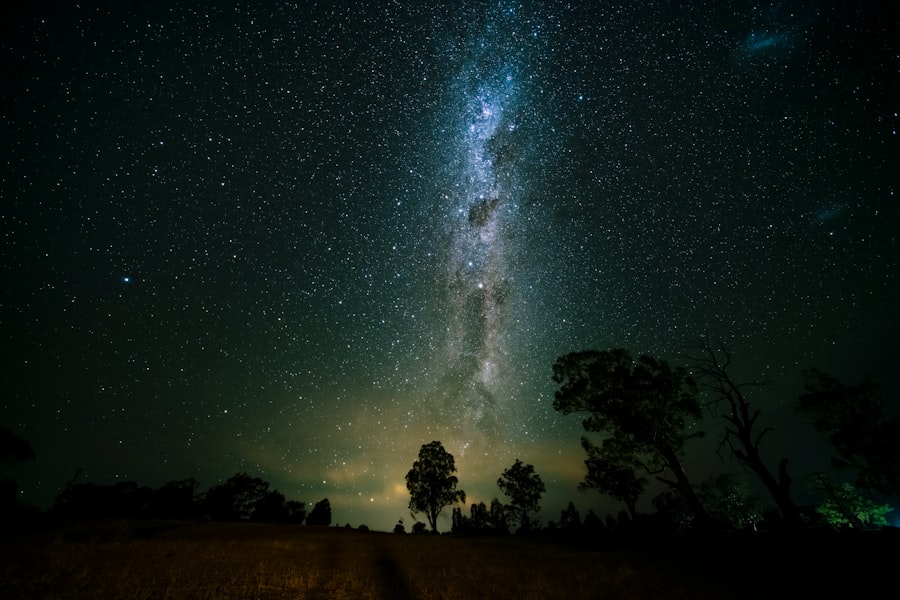
While the coastline gets a lot of attention, the Tasman Peninsula’s interior also holds natural beauty worth exploring, offering a different kind of landscape and wildlife encounters.
Fossil Cliffs and Unique Geology
The geological story of the Tasman Peninsula is fascinating. The Fossil Cliffs, for instance, are remarkable not just for their dramatic setting overlooking the sea, but also for the layers of sedimentary rock that are rich in fossils. This provides a window into ancient marine life, millions of years ago.
Visible Fossil Layers
When you examine the cliffs, you can often see distinct layers of rock, each telling a part of the Earth’s history. It’s a place where geology buffs can get excited, but even for the casual observer, the sheer scale and the embedded remnants of ancient life are memorable.
Dense Bushland and Unique Flora
Venture away from the coast, and you’ll find yourself immersed in the unique Tasmanian bushland. This isn’t just generic forest; it’s home to endemic species and provides a habitat for a variety of wildlife.
Endemic Plant Species
The vegetation here is adapted to the Tasmanian climate and soil conditions, and you’ll find a range of native plants, from hardy coastal shrubs to more delicate wildflowers depending on the season. Keep an eye out for unique ferns and gum trees that are characteristic of the island.
Birdlife and Small Mammals
The bushland is alive with sound and movement if you’re quiet and observant. You might spot various native bird species flitting through the trees, and if you’re lucky, you might glimpse some of Tasmania’s unique marsupials, such as wallabies or echidnas, especially around dawn and dusk.
Activities for Every Type of Explorer
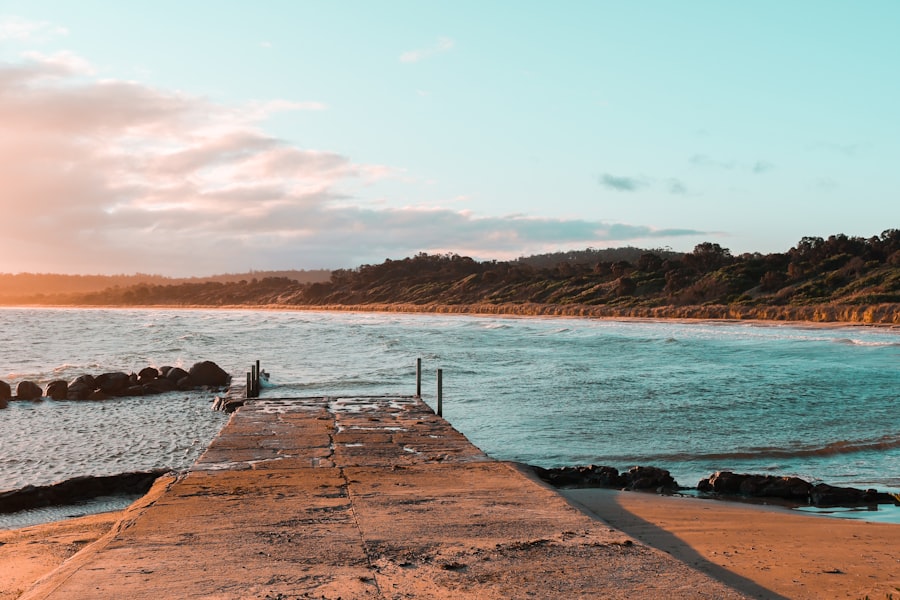
Whether you’re an adrenaline junkie, a history buff, or someone who just enjoys a good wander, the Tasman Peninsula has something to offer. It’s a place that encourages you to get out and experience it actively.
Outdoor Adventures
The dramatic landscapes are practically begging to be explored. Think beyond just looking; get involved.
Kayaking and Boat Tours
Seeing the coastline from the water offers a completely different perspective. Kayaking allows you to get up close to sea caves and rock formations, while boat tours can take you to areas that are inaccessible by foot and often offer opportunities to spot seals and dolphins. The scale of the sea cliffs from water level is truly humbling.
Caving and Adventure Tours
The limestone geology of the peninsula means there are caves to explore. Some are easily accessible, while others are part of guided adventure tours that involve abseiling and exploring underground formations. This is for those who want a bit more thrill and a deeper dive into the peninsula’s geological secrets.
Scenic Drives and Relaxed Exploration
Not everyone wants to hike or kayak. Sometimes, a leisurely drive with plenty of stops is the perfect way to soak it all in.
The Scenic Road to Eaglehawk Neck
The drive to Eaglehawk Neck is an experience in itself. This narrow isthmus, once a notorious dog line to prevent convicts from escaping, offers stunning ocean views on both sides. There are numerous pull-off points to admire the scenery and take photos.
Exploring Smaller Towns and Lookouts
There are charming small towns dotted around the peninsula, like Nubeena and Taranna, where you can stop for a coffee or a bite to eat. These towns often have local lookouts and picnic spots that are well worth a visit for their views and tranquility.
Culinary Delights and Local Produce
Tasmania is known for its fresh produce, and the Tasman Peninsula is no exception. You can find some excellent local food experiences.
Seafood Fresh from the Ocean
Given its location, it’s no surprise that fresh seafood is a highlight. Look out for local fish and chip shops, or if you’re lucky, you might find restaurants offering locally caught oysters, mussels, and fish. The taste of seafood that’s been caught that day is hard to beat.
Local Wineries and Breweries
Tasmania has a growing reputation for its cool-climate wines and craft beers. The Tasman Peninsula has a few smaller wineries and breweries where you can sample their offerings and enjoy the peaceful rural surroundings. It’s a great way to relax and savour the local flavours.
Why the Tasman Peninsula is a Must-Visit
So, after all this, why should the Tasman Peninsula be on your travel list? It’s a place that manages to blend raw natural power with a deep, often sobering, human history. It offers adventure for the active explorer and quiet contemplation for those seeking something more reflective.
A Unique Blend of Nature and History
What sets the Tasman Peninsula apart is this potent combination. You can stand on a cliff edge, feeling the spray of the Southern Ocean, and then within a short drive, immerse yourself in the stories of Australia’s convict past. This dual experience is rare and deeply impactful.
Accessibility and Variety
Despite its wild feel, the Tasman Peninsula is surprisingly accessible from Hobart. You can easily do it as a day trip, but it truly shines when you spend a couple of days exploring at a more relaxed pace. The variety of landscapes and activities means that no two days (or two visitors) will have the exact same experience.
A Place for Reflection and Awe
Often, travel is about seeing new things, but the Tasman Peninsula is also about feeling things. It’s a place that inspires awe with its natural beauty and prompts reflection with its historical sites. It’s a destination that stays with you long after you’ve left, a reminder of the earth’s power and humanity’s complex journey.
FAQs
What is the Tasman Tasmania?
The Tasman Tasmania is a region located in the northeastern part of Tasmania, Australia. It is known for its stunning coastal landscapes, rugged cliffs, and diverse wildlife.
What are some popular attractions in the Tasman Tasmania region?
Some popular attractions in the Tasman Tasmania region include the Tasman National Park, which is home to the famous Three Capes Track, as well as the Port Arthur Historic Site, a former penal colony with a rich history.
What outdoor activities can visitors enjoy in the Tasman Tasmania region?
Visitors to the Tasman Tasmania region can enjoy a variety of outdoor activities, including hiking, birdwatching, rock climbing, and wildlife spotting. The region is also popular for its opportunities for boating, fishing, and surfing.
What is the best time of year to visit the Tasman Tasmania region?
The best time to visit the Tasman Tasmania region is during the summer months of December to February, when the weather is warm and ideal for outdoor activities. However, the region can be visited year-round, with each season offering its own unique attractions.
How can visitors access the Tasman Tasmania region?
Visitors can access the Tasman Tasmania region by car, with the main gateway being the town of Port Arthur. There are also tour operators that offer guided tours to the region, as well as public transportation options such as buses and ferries.