West Coast Tasmania isn’t just a place to visit; it’s an experience that carves itself into your memory like the wind carves the landscape. If you’re wondering what makes it so special, it’s the raw, untamed beauty, the deep history etched into the mountains and mines, and the genuine sense of unplugging from the everyday. This isn’t your postcard-perfect, manicured tourism. This is where you come to feel small in the face of nature, to appreciate ruggedness, and to discover a different kind of Australian wilderness.
Forget everything you think you know about Australian tourism. West Coast Tasmania is a different beast entirely. It’s a place where ancient rainforests meet wild, windswept coastlines, and industrial history intertwines with pristine wilderness. What draws people here isn’t luxury resorts or bustling city life; it’s a profound connection to nature, an escape from the ordinary, and a chance to truly disconnect.
A Land Forged by Nature and Industry
The West Coast’s character is a fascinating blend of the primordial and the industrial. For millennia, it was the domain of the Palawa Aboriginal people, followed by the relentless pursuit of fortunes in timber and minerals. This history has left an indelible mark, creating a landscape that is both stunningly beautiful and deeply intriguing. You’ll find remnants of old mining towns nestled amongst World Heritage-listed rainforests, and rivers that once carried ore now teem with trout. It’s a testament to both nature’s resilience and humanity’s enduring quest.
Escaping the Everyday Grind
One of the biggest draws of West Coast Tasmania is its ability to make you forget about your emails, your deadlines, and the constant hum of city life. Mobile reception is patchy at best, especially once you venture off the main roads, and that’s precisely the point. Here, your focus shifts to the rustle of leaves, the roar of the ocean, and the vastness of the sky. It’s a place to recalibrate, to breathe deeply, and to remember what it feels like to be truly present.
Beyond the Beaten Path
While places like Cradle Mountain-Lake St Clair National Park are well-trodden, much of the West Coast remains relatively unexplored by mainstream tourism. This means you’re more likely to have a stunning vista to yourself or share a hiking trail with only a handful of others. It offers a sense of discovery that can be hard to find in more popular destinations, making every encounter with its wilderness feel genuinely special.
Iconic Towns and Their Stories
The towns on the West Coast aren’t just places to refuel; they are integral to the region’s story, each with its own distinct personality and history. They are the gateways to adventure and the keepers of fascinating tales.
Strahan: Gateway to the Wilderness
Strahan is arguably the most well-known town on the West Coast, and for good reason. Nestled on the shores of Macquarie Harbour, it’s the jumping-off point for many of the region’s premier experiences. Originally a bustling port for the timber and mining industries, it now serves as a hub for tourism, yet retains its charm and a sense of remoteness.
Cruising the Gordon River
A trip to Strahan isn’t complete without a cruise up the Gordon River. This is your chance to glide through the pristine wilderness of the Tasmanian Wilderness World Heritage Area, passing ancient Huon pines and feeling the silence of the rainforest. Most cruises include a stop at Sarah Island, a former penal settlement, which offers a poignant and often brutal glimpse into Tasmania’s colonial past. The stories of hard labour and desperate escapes are captivating, making the historical aspect just as compelling as the natural beauty.
Henty Dunes
Just a short drive north of Strahan, the Henty Dunes offer a dramatic contrast to the dense rainforest. These massive sand dunes stretch for kilometres, reaching heights of up to 30 meters. You can spend hours here, walking along the ridge lines, sandboarding down the slopes, or simply marveling at the sheer scale of the landscape as it stretches towards the wild Southern Ocean. It’s an unexpected and exhilarating experience.
Queenstown: The Copper Queen
Queenstown is unlike any other town in Tasmania. Its scarred, treeless hills, a result of a century of mining and smelter fumes, tell a dramatic story of industrial might and environmental impact. Today, the hills are slowly regenerating, but the town’s history as a copper mining powerhouse is still very much alive.
The West Coast Wilderness Railway
One of the best ways to understand Queenstown’s history and its connection to Strahan is to ride the West Coast Wilderness Railway. This meticulously restored Abt rack-and-pinion railway once transported copper ore through incredibly challenging terrain. Today, it offers passengers a scenic journey through rainforests, over bridges, and past historic mining sites, complete with informative commentary. It’s a truly immersive historical and natural experience.
Spion Kop Lookout
For the best panoramic view of Queenstown and its surrounding denuded hills, head to Spion Kop Lookout. From here, you can truly appreciate the impact of mining on the landscape, as well as the resilience of nature as it slowly reclaims the land. It’s a stark reminder of industrial heritage and the power of human endeavour.
Zeehan: The Silver City
Once a thriving mining town known as the ‘Silver City,’ Zeehan was home to tens of thousands of people in its heyday, boasting dozens of hotels and a grand theatre. Today, it’s a much quieter place, but its rich history is preserved and celebrated.
West Coast Heritage Centre
The West Coast Heritage Centre in Zeehan is a must-visit. It’s a sprawling complex that houses an incredible collection of mining machinery, historical artifacts, and stories from the region’s pioneering past. You can explore old railway engines, walk through a recreated underground mine, and learn about the lives of the prospectors and families who shaped this remote part of the world. It’s a genuine step back in time.
Gaiety Theatre
The magnificent Gaiety Theatre, built in 1898, is another proud relic of Zeehan’s prosperous past. While no longer regularly showing films, its grand facade and restored interior offer a glimpse into the town’s former glory days when it hosted touring shows and filled with a bustling crowd.
Wilderness Adventures and Walking Trails
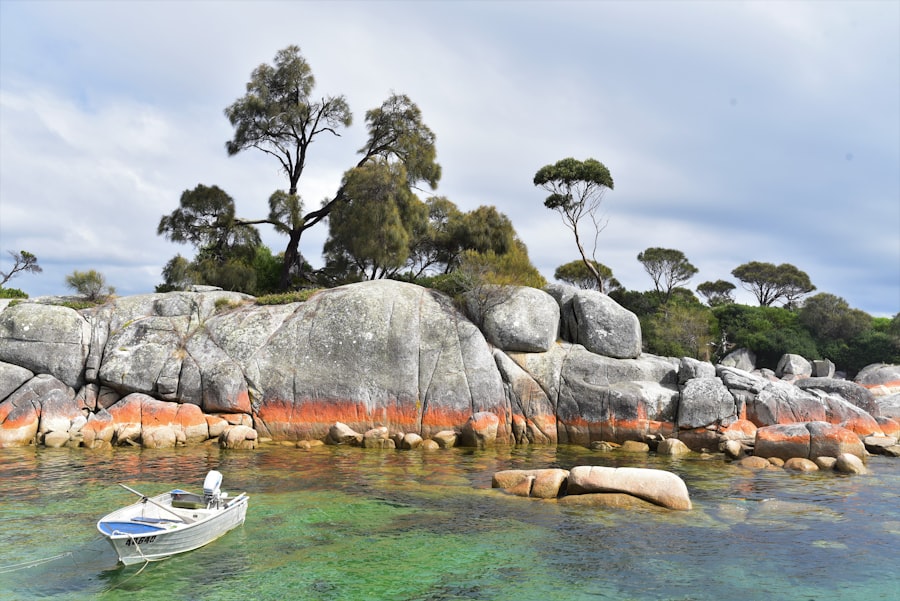
The West Coast is a paradise for those who love to explore on foot, offering everything from short, accessible boardwalks to challenging multi-day treks. The sheer variety of landscapes means there’s an adventure for every fitness level.
Tarkine/Takayna: Australia’s Largest Cool Temperate Rainforest
The Tarkine, or Takayna as it’s known by the Aboriginal community, is a vast, largely undeveloped area that holds immense ecological and cultural significance. It encompasses ancient rainforests, wild rivers, pristine coastlines, and expansive buttongrass plains, making it a critical habitat for numerous endangered species.
Philosophers Falls Walk
Near Rosebery, the Philosophers Falls Walk is a relatively easy boardwalk and gravel track that leads you through magnificent cool temperate rainforest to a multi-tiered waterfall. The air here is thick with the scent of ancient earth and damp moss, and the sheer scale of the trees is awe-inspiring. It’s a perfect example of the Tarkine’s unique beauty.
Lake Lea Picnic Area and Walks
Accessible via a gravel road, Lake Lea offers a picturesque setting for a picnic and several short walks. It’s a tranquil spot where you can enjoy the serenity of the wilderness and perhaps spot some local wildlife. The walks around the lake are gentle and provide lovely views of the water and surrounding forests.
Montezuma Falls
Located near Rosebery, Montezuma Falls is Tasmania’s highest waterfall, plummeting 104 meters into a lush gorge. The walk to the falls follows an old tramway track through dense rainforest, crossing a swing bridge that offers a thrilling view of the falls in the distance. It’s a relatively flat and easy walk, making it accessible for most people, and the reward is truly spectacular.
Nelson Falls Nature Trail
A short, accessible boardwalk stroll just off the Lyell Highway between Queenstown and Derwent Bridge, the Nelson Falls Nature Trail takes you through stunning temperate rainforest to a beautiful, cascading waterfall. It’s a perfect stop to stretch your legs, breathe in the fresh forest air, and experience the iconic West Coast rainforest without a long hike.
The Haunting Beauty of Lake Burbury and Franklin-Gordon Wild Rivers National Park
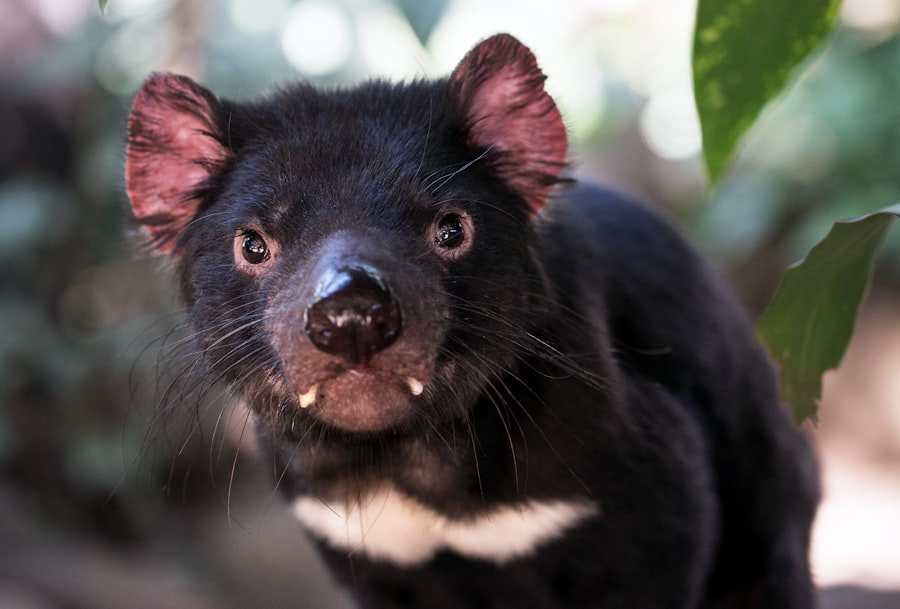
These areas showcase the raw power of nature and the ongoing struggle between conservation and development, offering some of the most dramatic scenery imaginable.
Lake Burbury: A Man-Made Marvel
Lake Burbury, a vast freshwater lake created by the damming of the King River, is a striking example of human engineering within a wild landscape. While controversial in its creation, it now provides stunning reflective views of the surrounding mountains and is popular for fishing and kayaking.
Bird River Track
For those wanting a genuine immersion into the Franklin-Gordon Wild Rivers National Park, the Bird River Track near Lake Burbury offers a challenging but rewarding multi-day hike. It provides access to remote parts of the wilderness, requiring careful planning and experience, but promises unparalleled solitude and breathtaking views.
Franklin-Gordon Wild Rivers National Park
This magnificent park is the heart of the Tasmanian Wilderness World Heritage Area, protecting vast expanses of ancient rainforest, wild rivers, and rugged mountains. It’s a place of incredible biodiversity and profound natural beauty.
Frenchmans Cap
One of Tasmania’s most iconic and challenging multi-day hikes, Frenchmans Cap offers a strenuous but incredibly rewarding experience. The 4-5 day return trek to the quartzite peak provides panoramic views of the entire World Heritage Area. It’s not for the faint-hearted, requiring good fitness and experience, but reaching the summit is an unforgettable achievement.
Rafting the Franklin River
For the ultimate West Coast adventure, consider a multi-day rafting trip down the Franklin River. This is a truly wild and remote expedition, navigating rapids, camping on riverbanks, and witnessing pristine wilderness that few ever see. It’s an adventure of a lifetime, requiring expert guides and a serious commitment to disconnect.
Practical Tips for Your West Coast Expedition
To make the most of your trip to this extraordinary region, a little planning goes a long way. The West Coast is remote, and preparation is key.
Fuel and Supplies
Fuel stations can be sparse between major towns, so always fill up your tank when you get the chance. Similarly, grocery stores are limited, especially in smaller settlements. Stock up on essentials in larger towns like Queenstown or Strahan, especially if you plan on self-catering or venturing into more isolated areas. Don’t rely on finding that specific snack or item once you’re deep into the West Coast.
Accommodation and Booking Ahead
While there are various accommodation options from basic cabins to comfortable hotels, they are fewer and further between than in more populous areas. During peak seasons, school holidays, or long weekends, accommodation can book out quickly. It’s always a good idea to book ahead, especially in popular towns like Strahan, to avoid disappointment. Consider the range of options, from historic hotels to caravan parks, depending on your budget and preferred style.
Be Weather-Ready
The West Coast is renowned for its changeable weather. It can literally experience four seasons in one day. Be prepared for anything: sun, wind, rain (often heavy), and even snow on higher elevations, even in summer. Layered clothing is essential, including waterproof and windproof outerwear, sturdy hiking boots, and warm layers, regardless of the time of year. Don’t skimp on good gear; it will make your experience much more enjoyable.
Limited Connectivity
Embrace the digital detox! Mobile phone reception on the West Coast is notoriously patchy or non-existent in many areas outside of the main towns. This is part of the charm for many, allowing for a true escape. However, it means you shouldn’t rely on your phone for navigation or emergencies. Carry physical maps, and let someone know your travel plans, especially if you’re undertaking longer hikes.
Respect the Environment and Heritage
This region is incredibly special, with vast areas of World Heritage-listed wilderness and significant Aboriginal and industrial heritage. Please stick to marked trails, take all your rubbish out with you, and never disturb historical sites or sensitive ecosystems. Be mindful of wildlife – slow down on roads, especially at dawn and dusk. Leave no trace, so future visitors can experience its profound beauty just as you have.
The West Coast of Tasmania is a true gem, offering an unparalleled opportunity to connect with nature’s raw power and Australia’s pioneering spirit. It’s a place that challenges, inspires, and ultimately, leaves an enduring impression. Give it a shot; you won’t regret it.
FAQs
What is the location of West Coast Tasmania?
West Coast Tasmania is located on the western side of the island state of Tasmania, Australia.
What are the main attractions in West Coast Tasmania?
Some of the main attractions in West Coast Tasmania include the historic mining town of Queenstown, the stunning wilderness of the Tarkine region, and the iconic Cradle Mountain-Lake St Clair National Park.
What outdoor activities can be enjoyed in West Coast Tasmania?
Visitors to West Coast Tasmania can enjoy a range of outdoor activities such as hiking, camping, fishing, kayaking, and wildlife spotting in the pristine natural environment.
What is the climate like in West Coast Tasmania?
The climate in West Coast Tasmania is generally cool and temperate, with mild summers and cool winters. Rainfall is common throughout the year.
Are there any historical sites in West Coast Tasmania?
Yes, West Coast Tasmania is home to several historical sites related to its mining heritage, including the West Coast Heritage Centre in Zeehan and the Iron Blow Lookout near Queenstown.